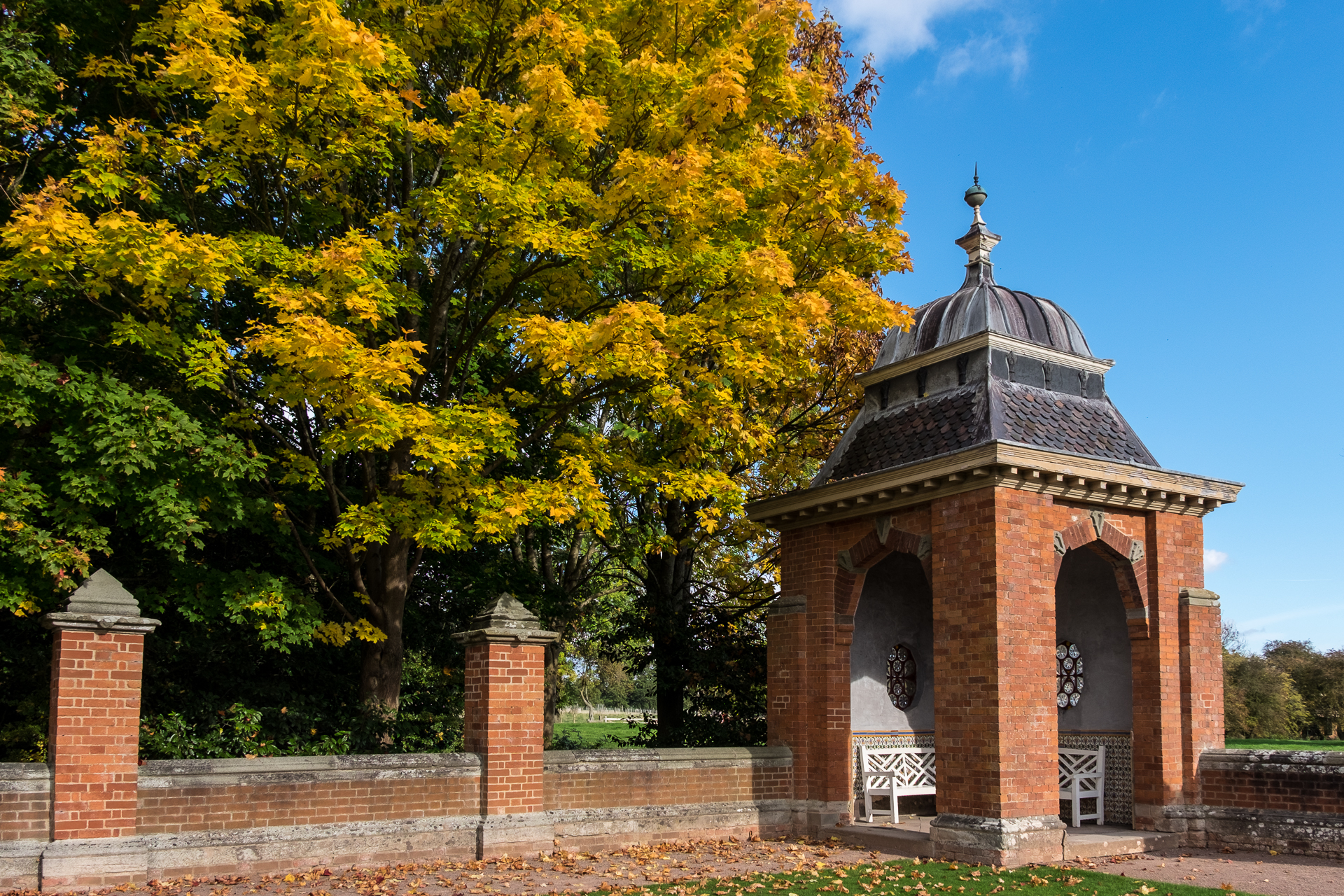
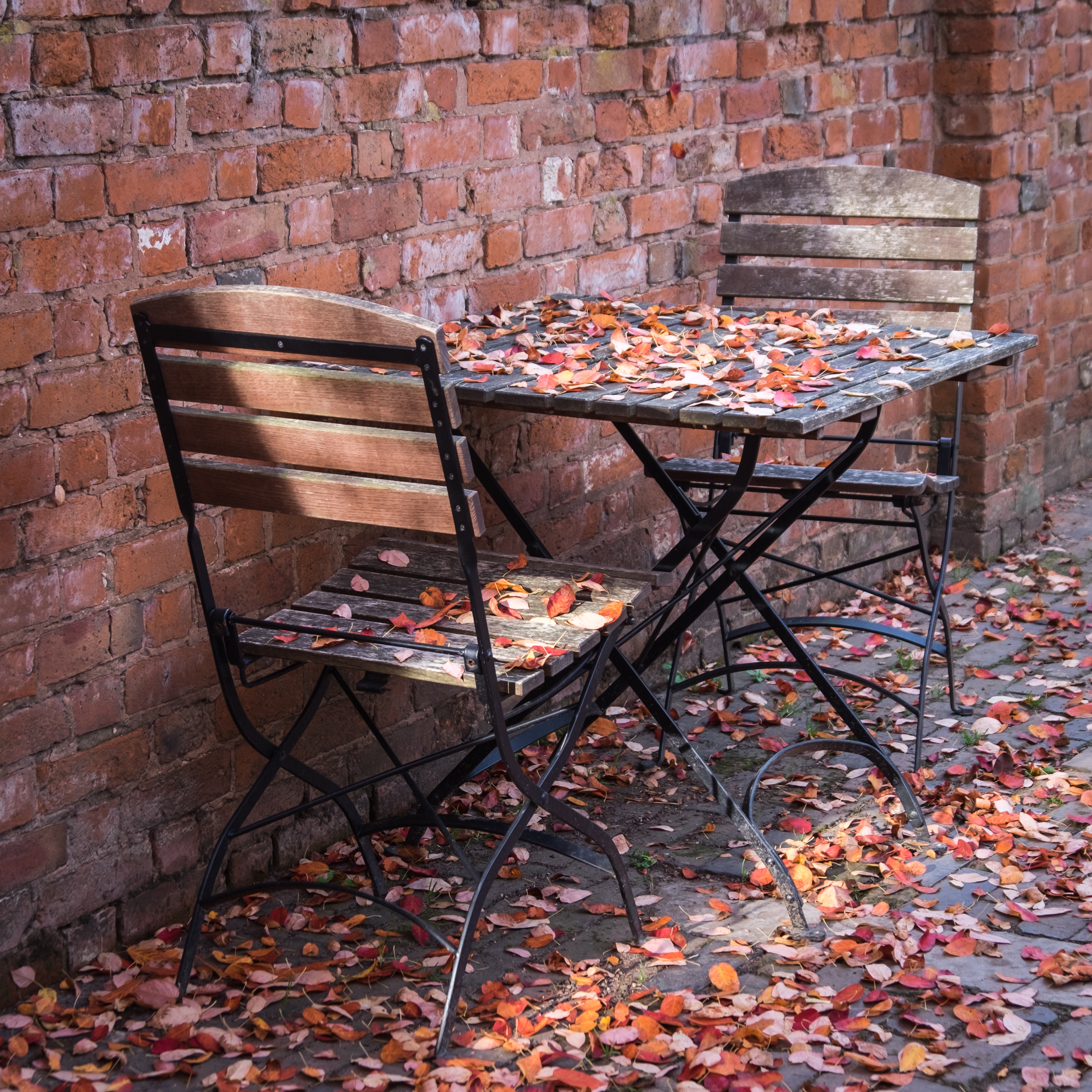
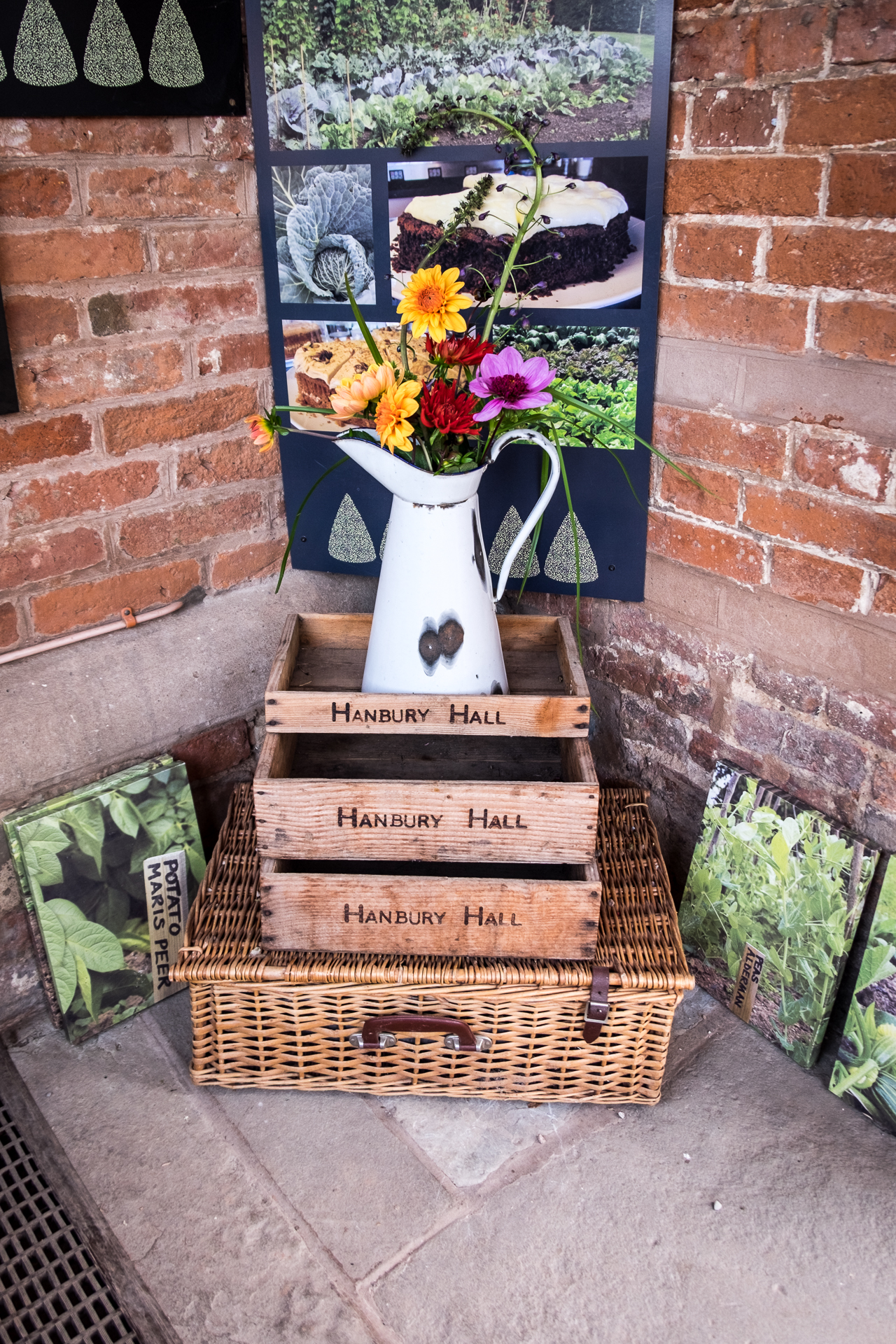
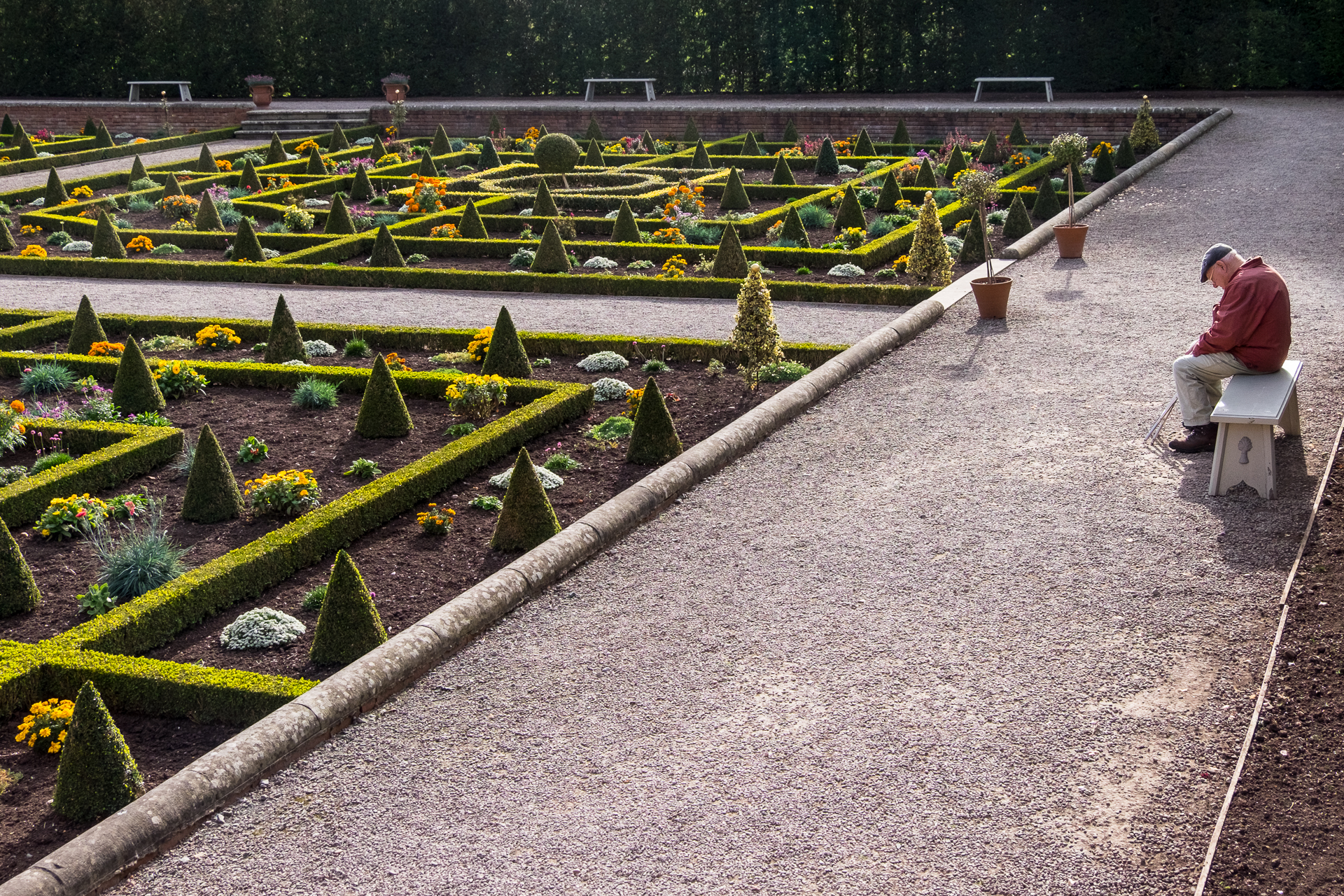
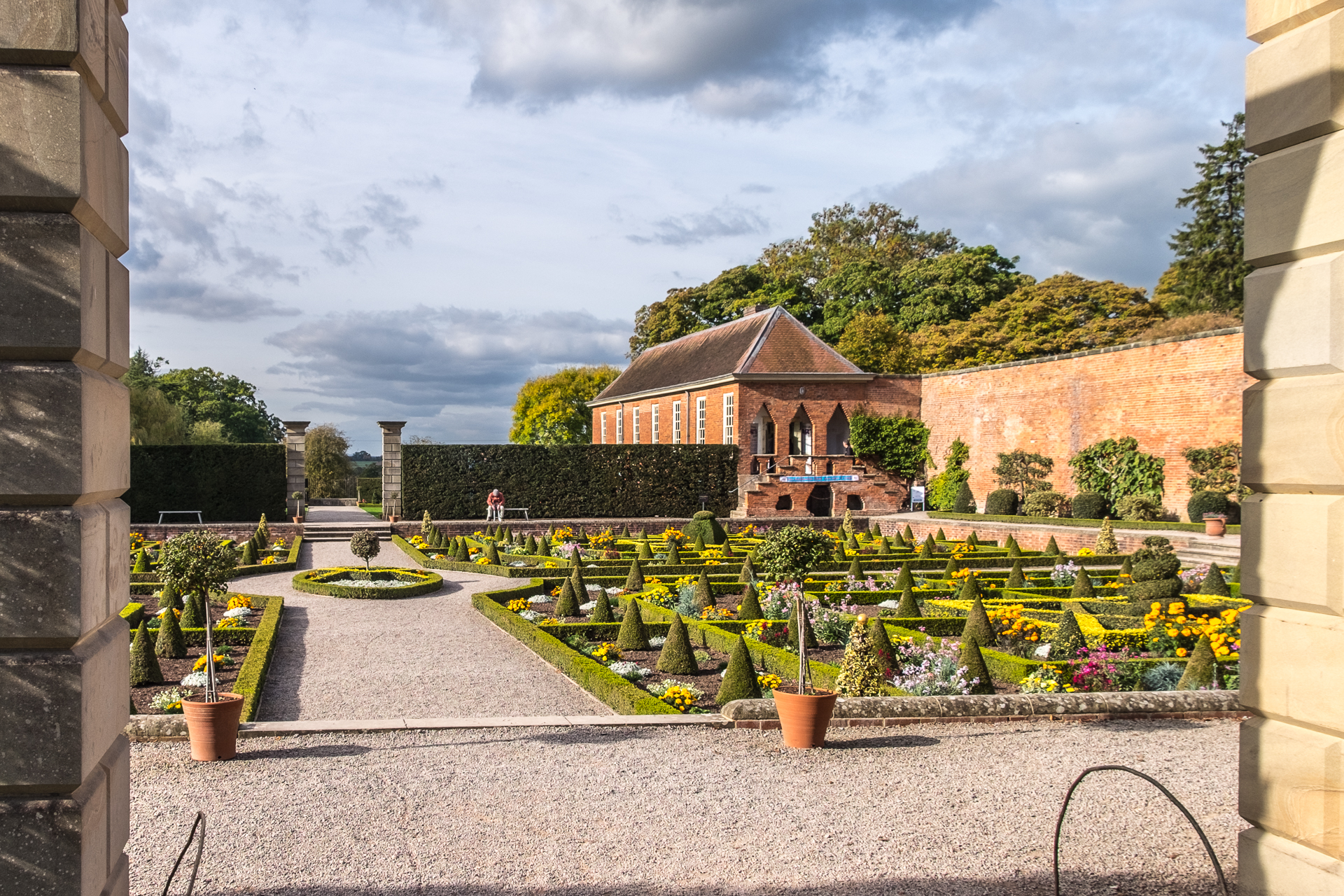
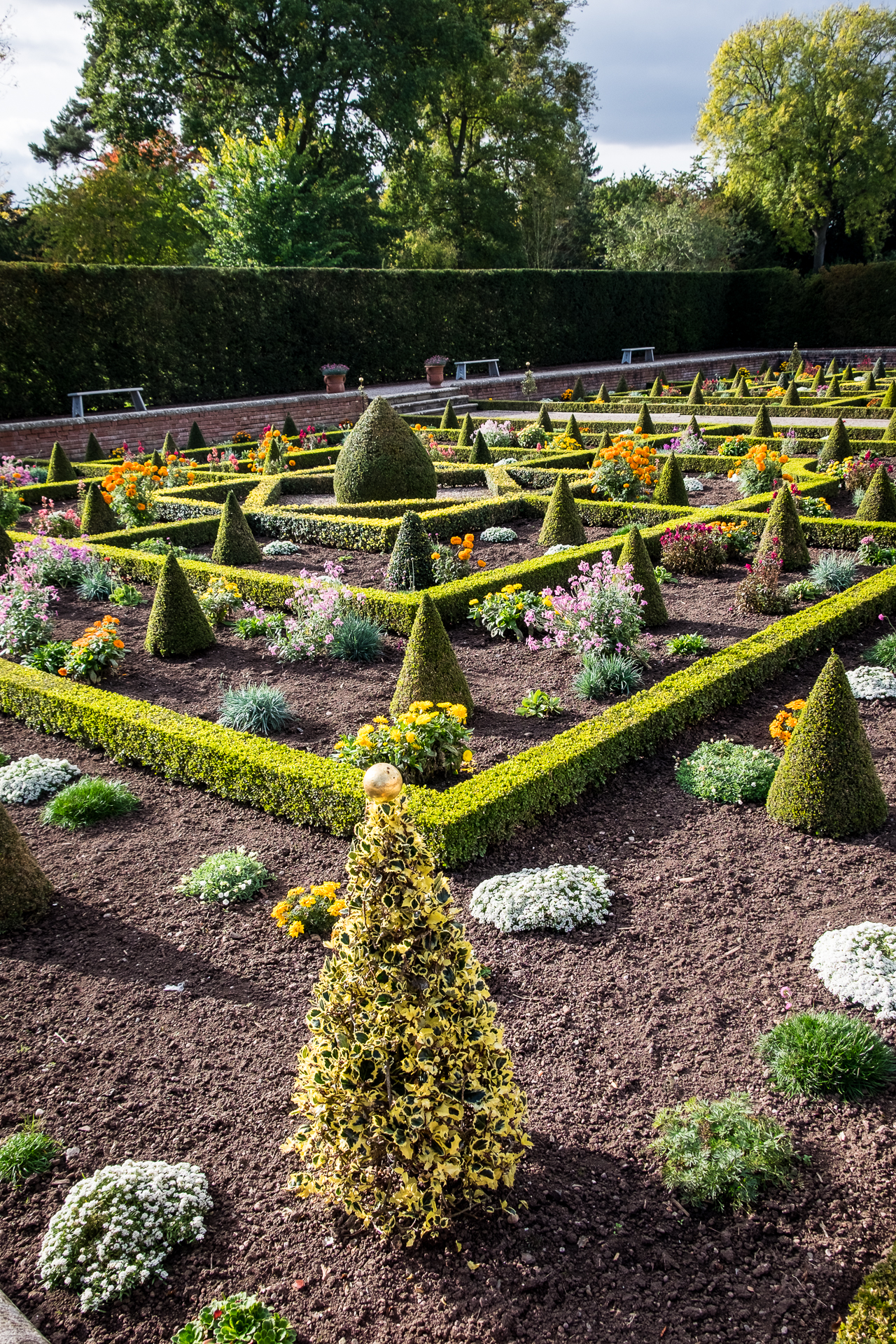
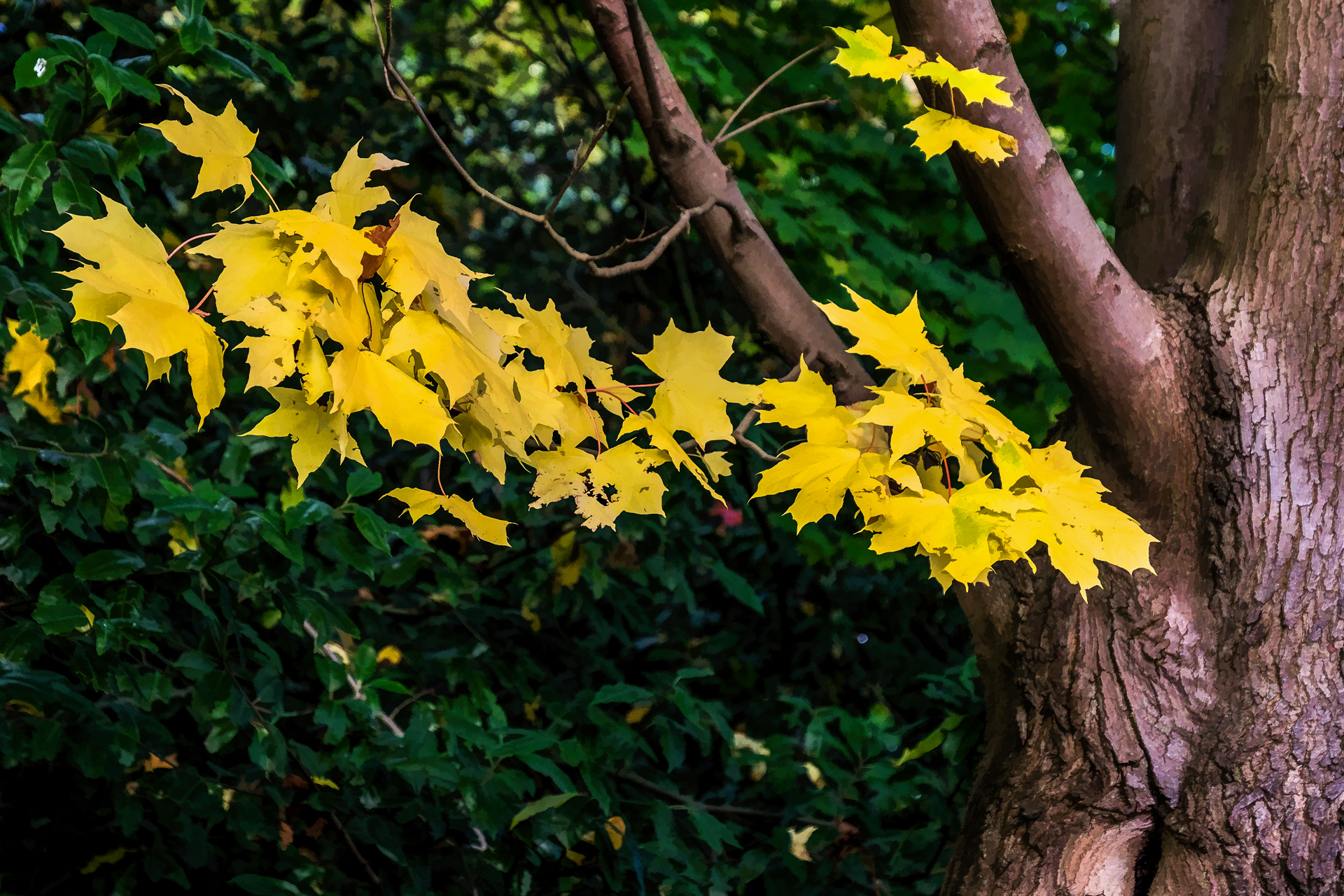
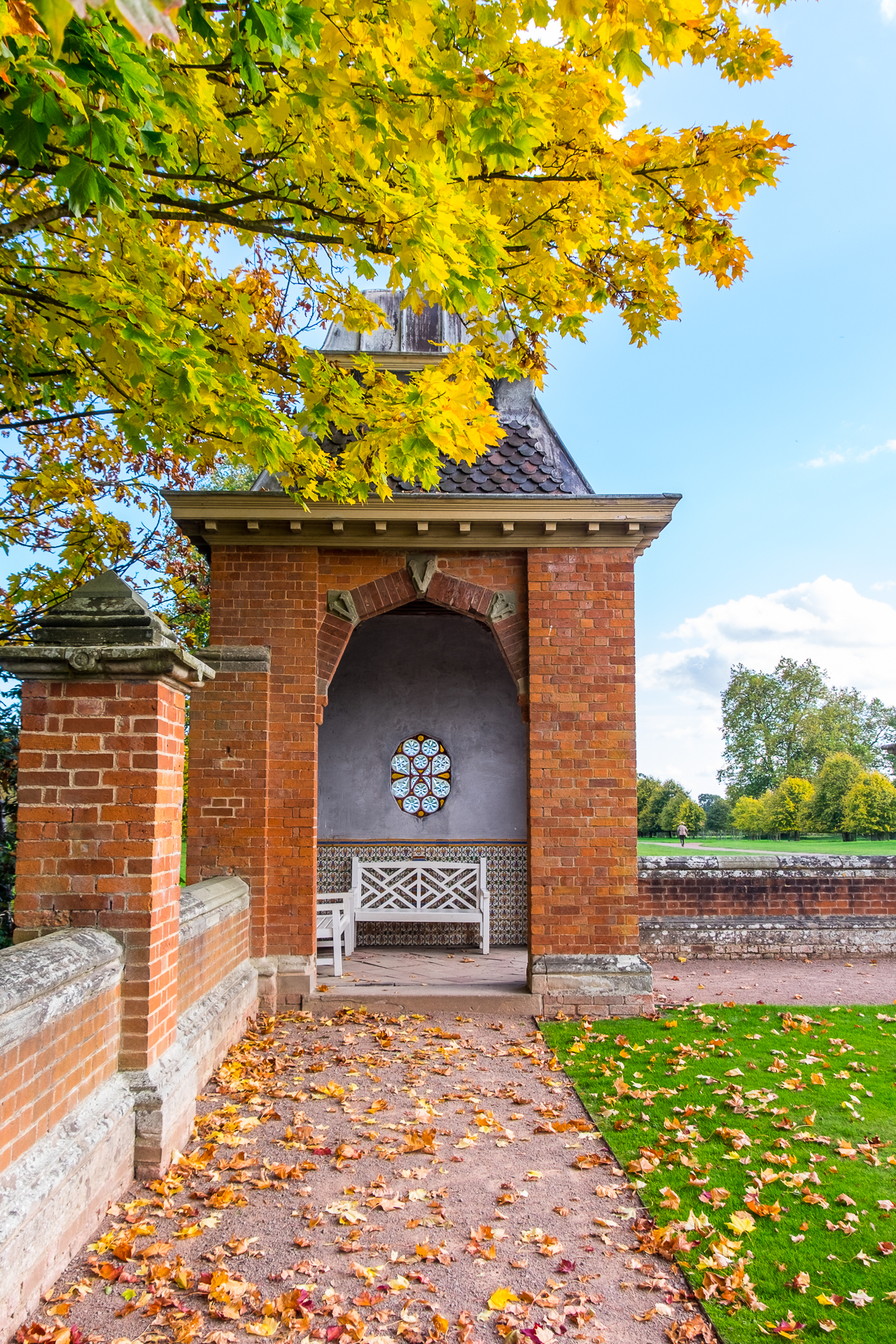
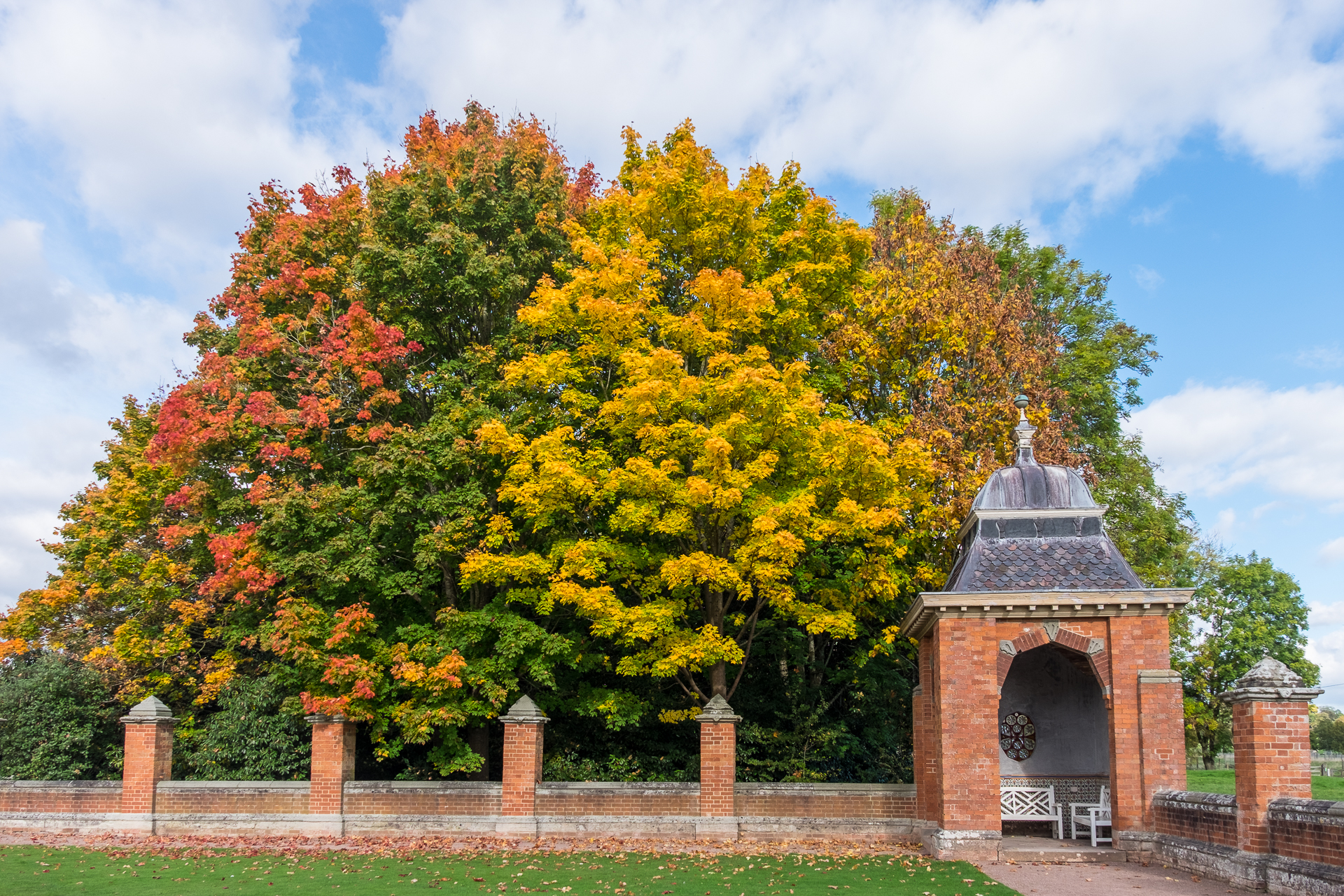
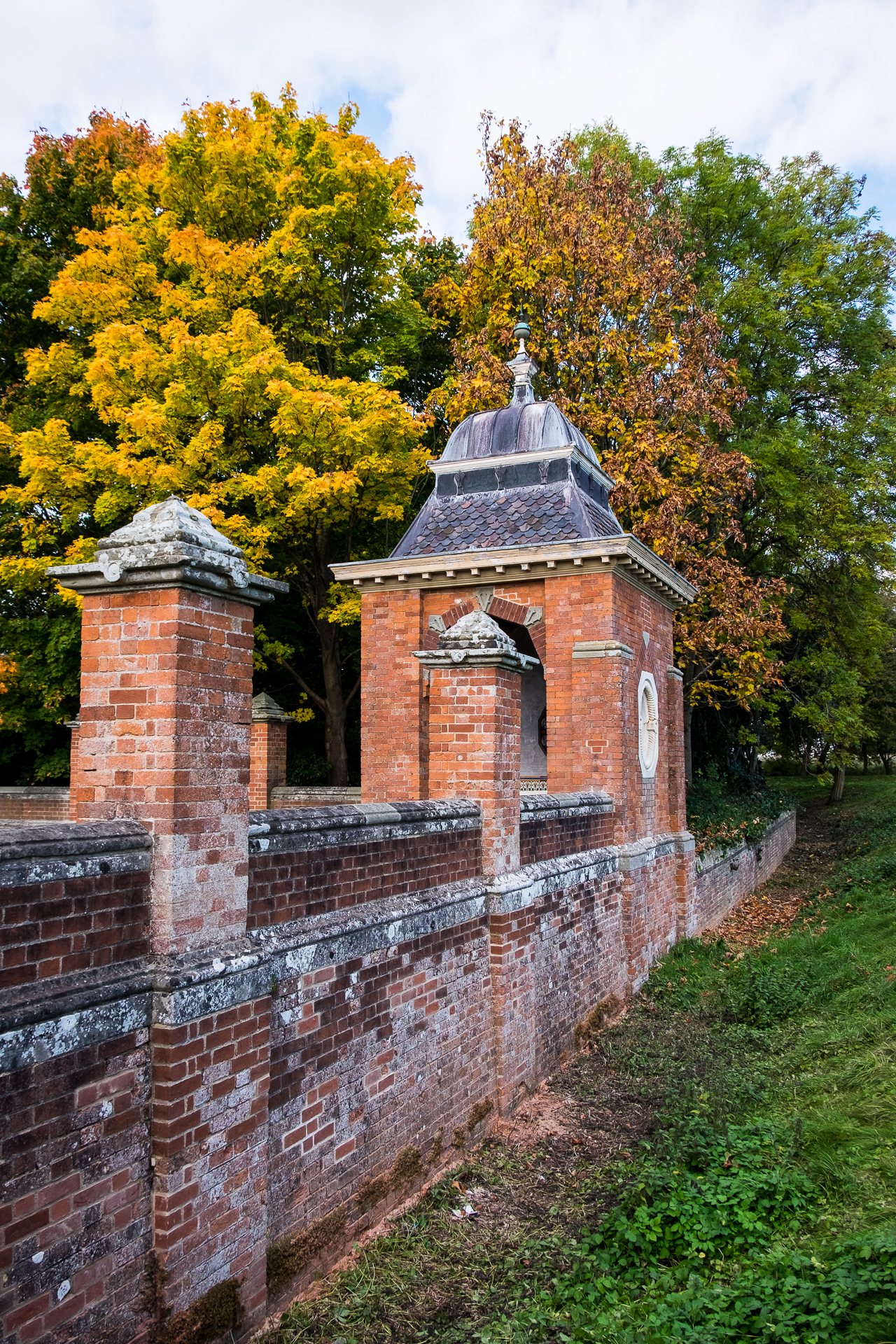
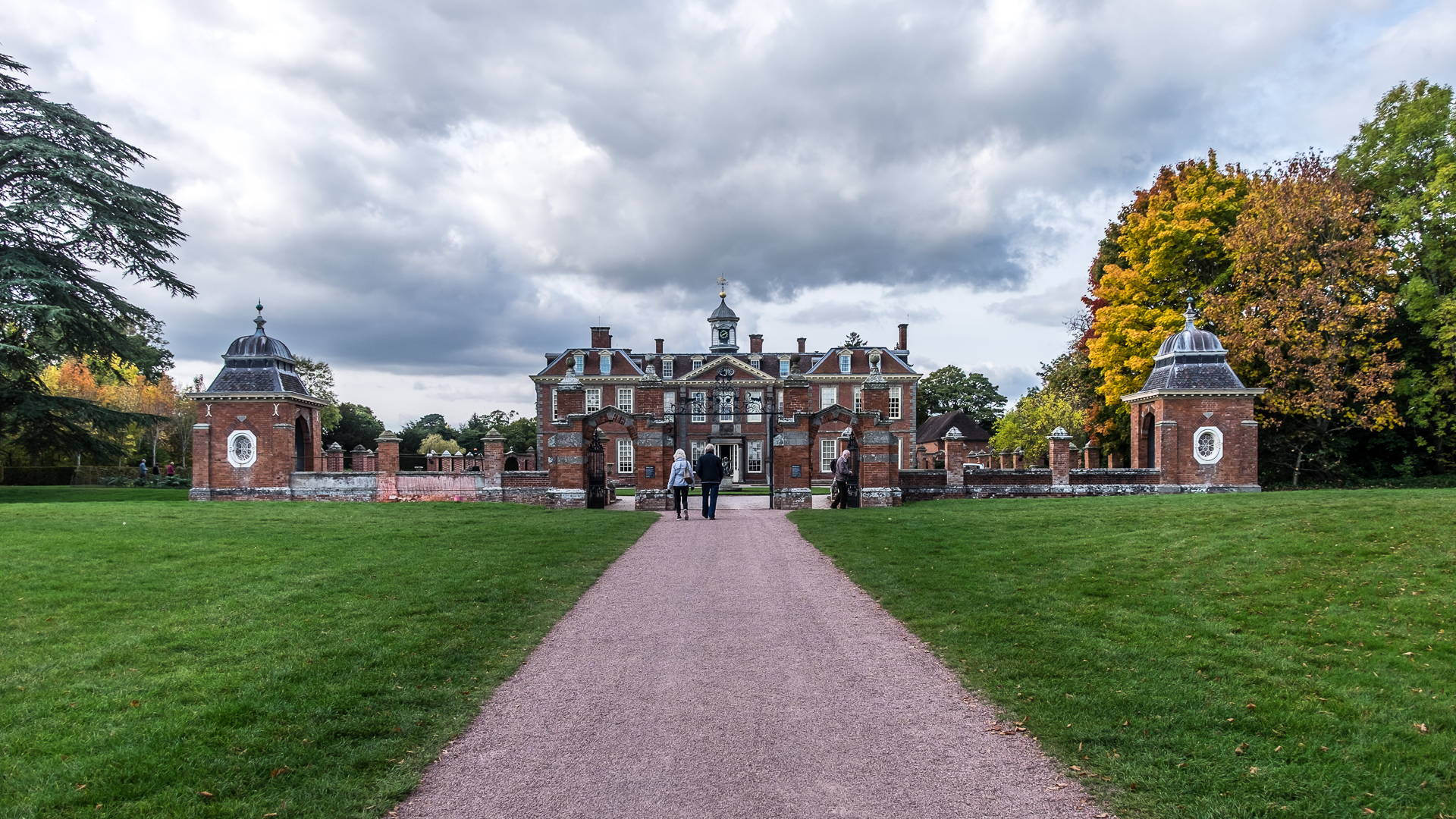
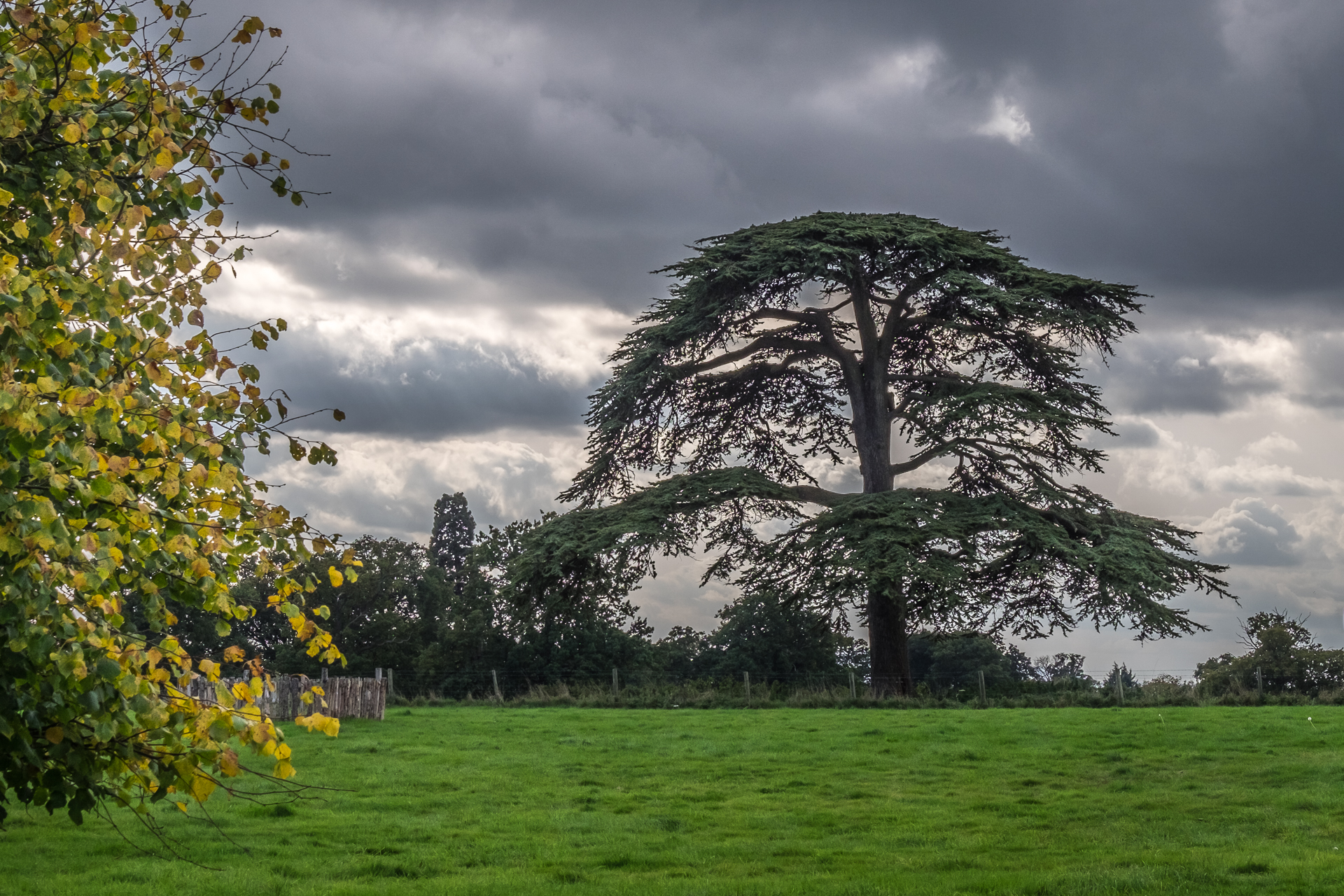
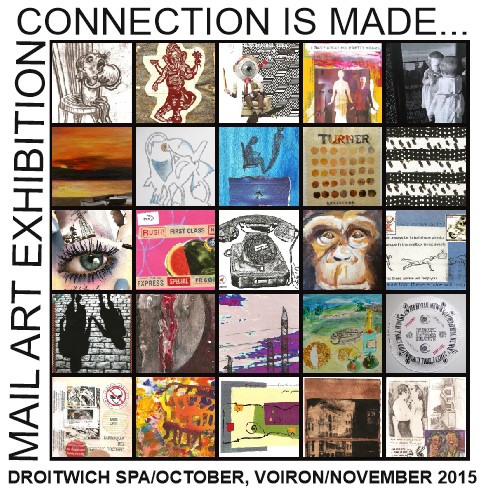
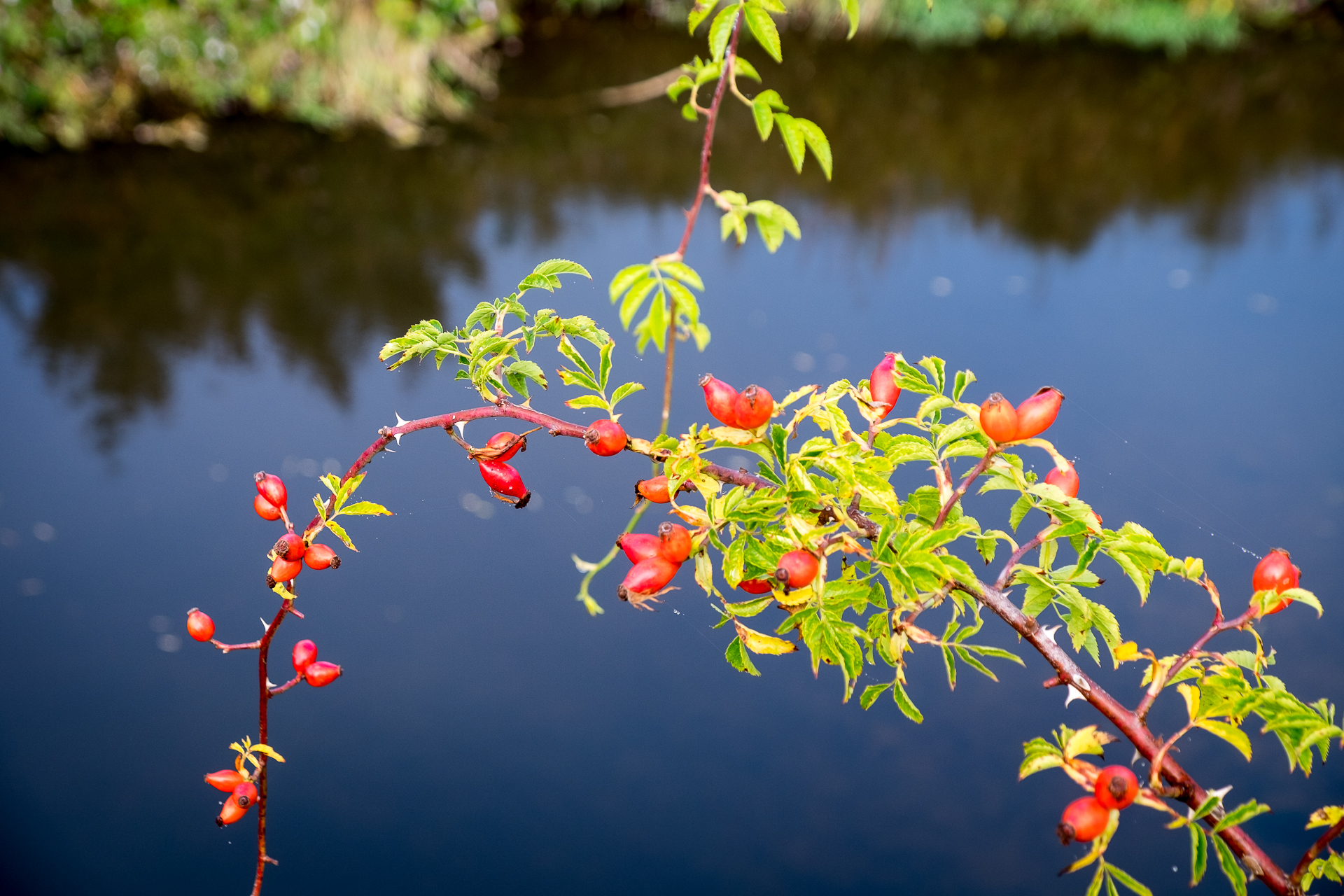
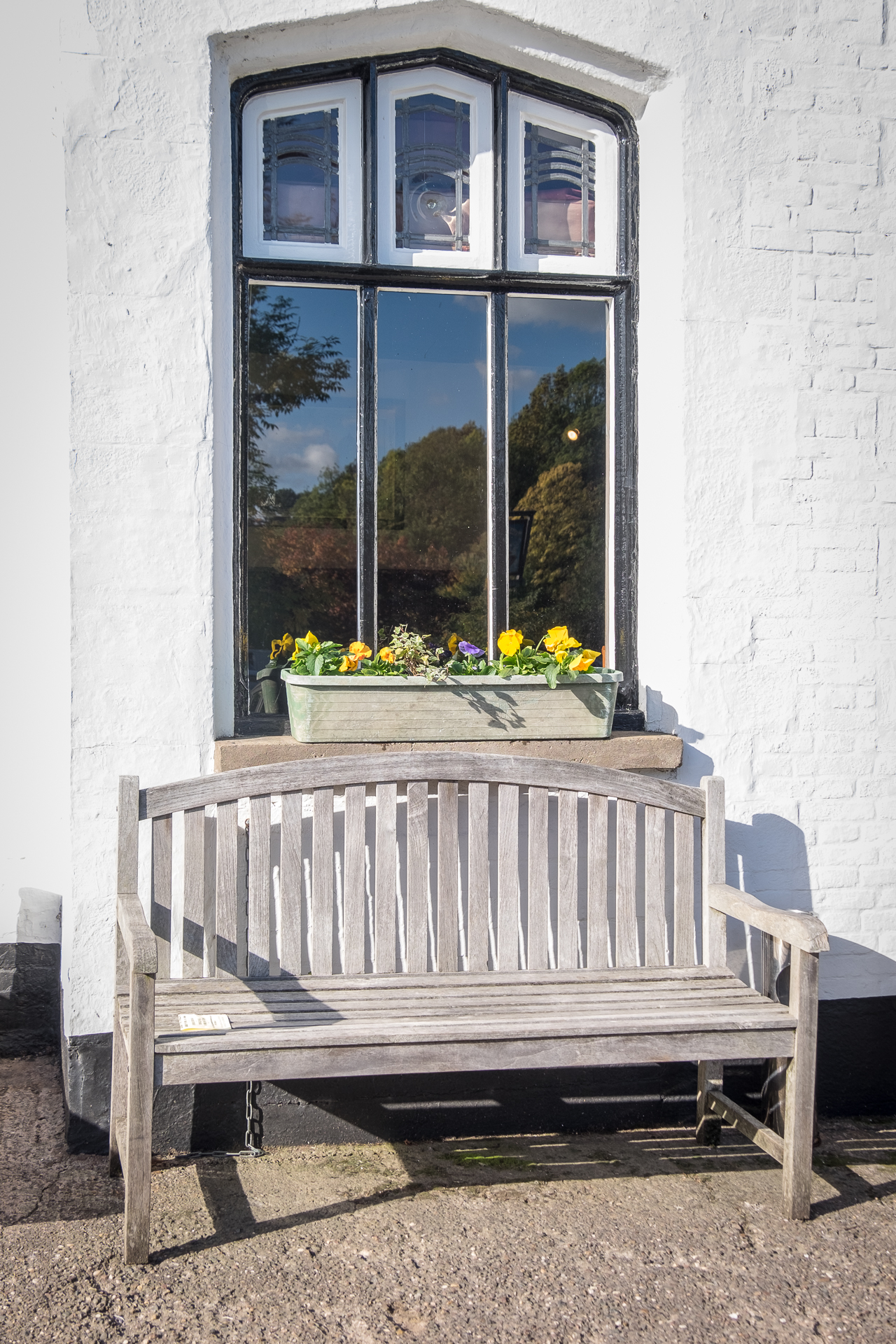
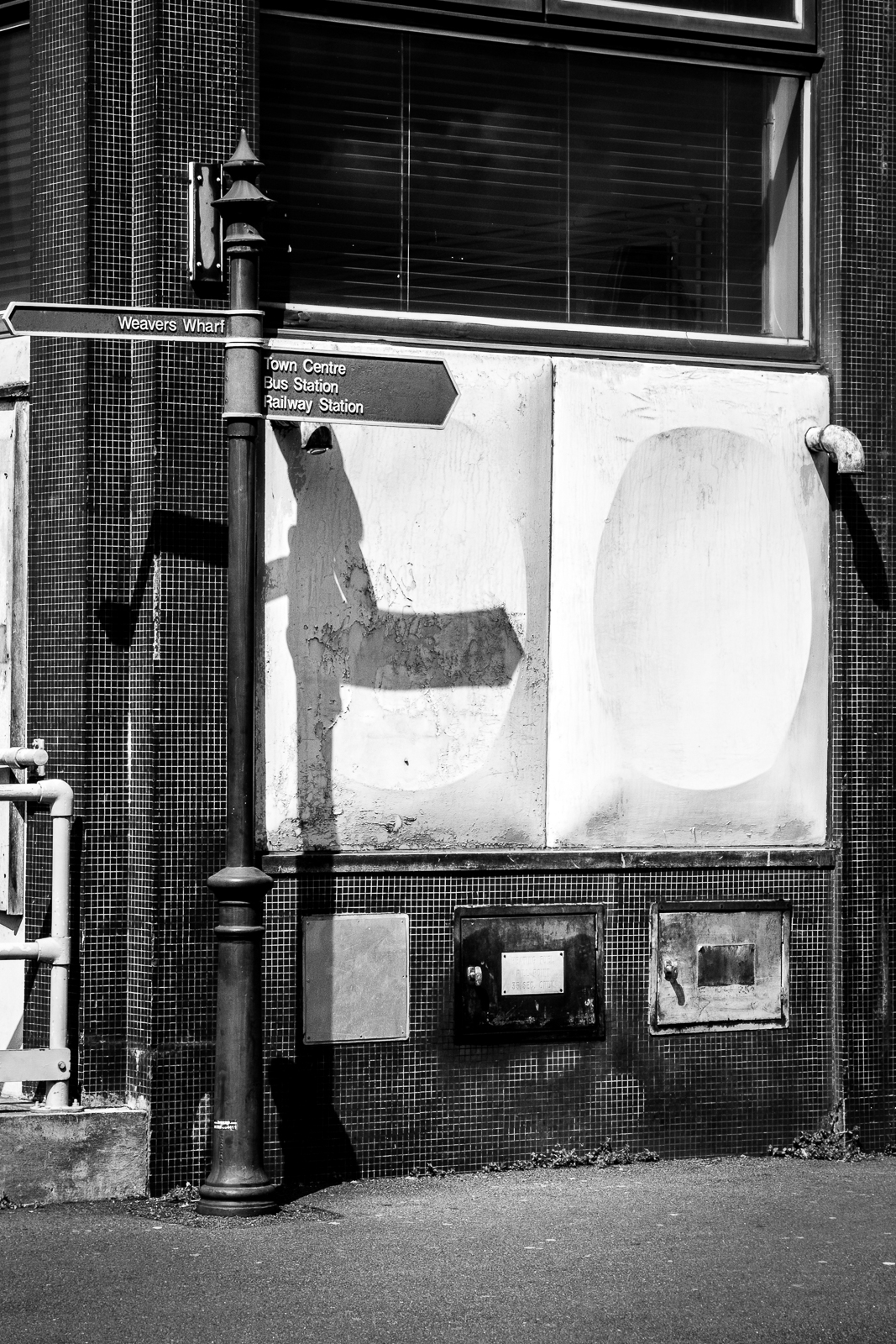
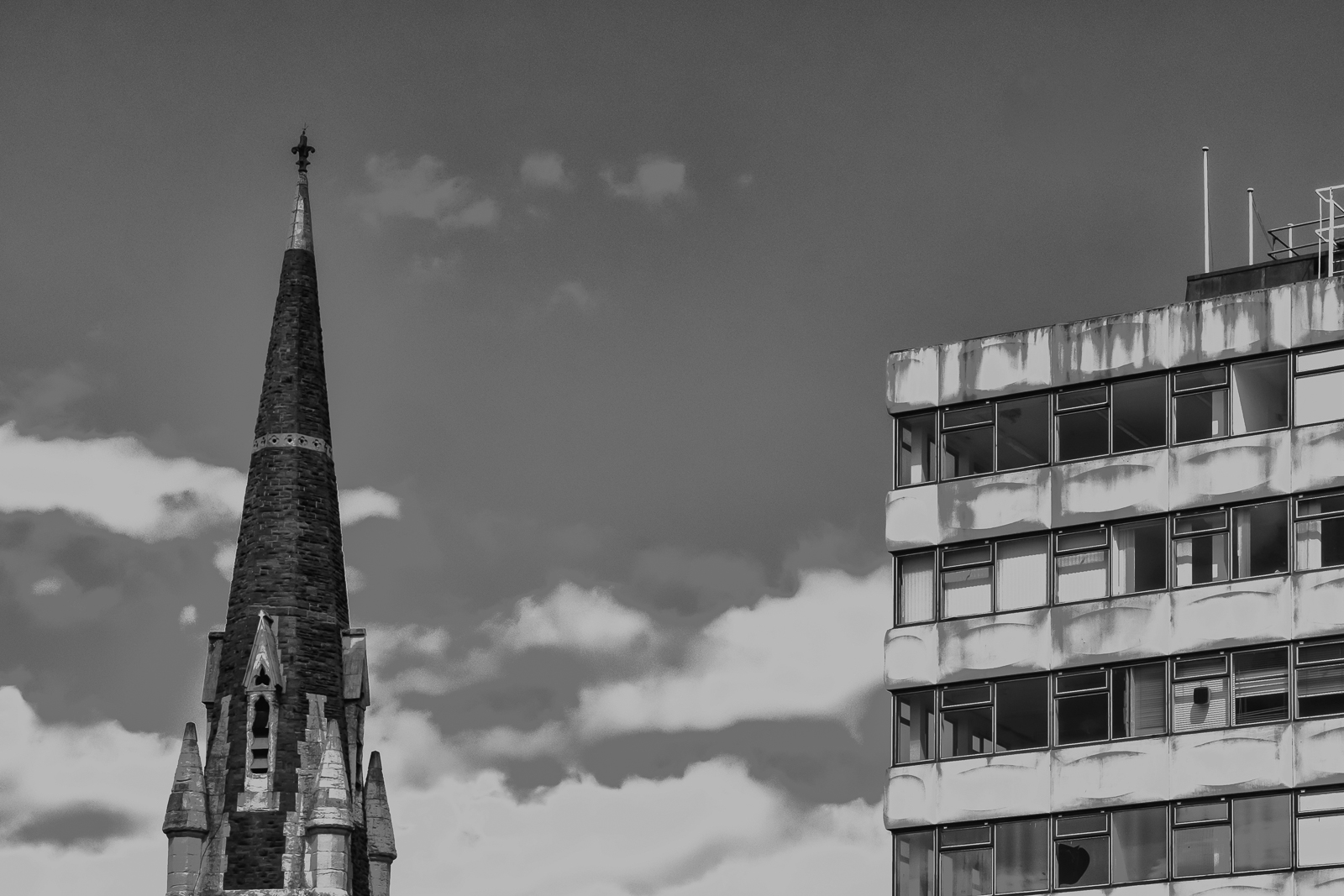
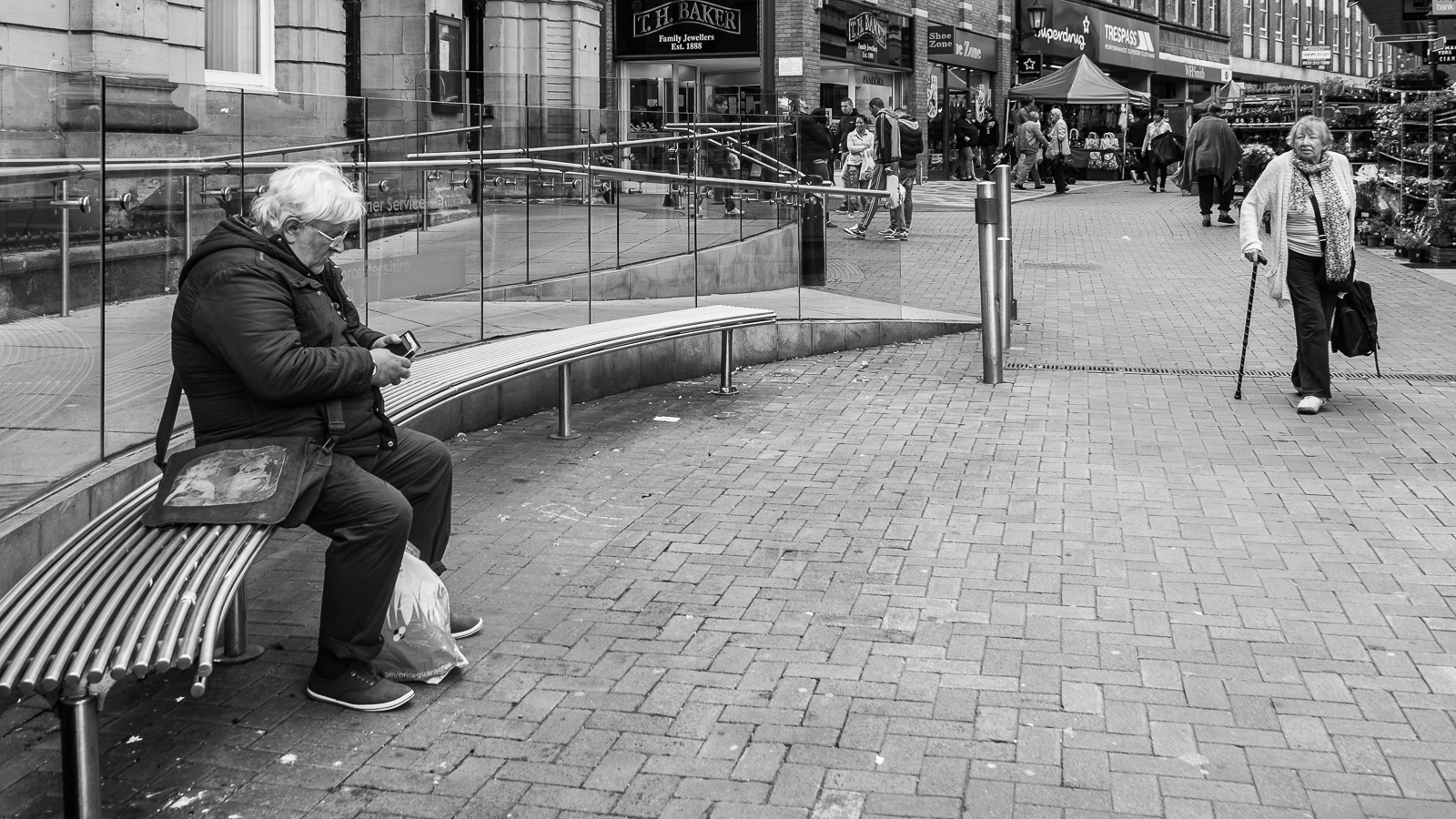
A quick visit to Hanbury Hall the other week mainly to see our local arts network exhibition, but the autumn colours were just gorgeous so we had to take a wander around….
Some really interesting pieces and a super arts project.
Mail Art Exhibition – Connection is Made…
Droitwich Spa (UK) / October 2015 – International artists
Droitwich Library, Victoria Square, WR9 8DQ, Droitwich Spa
Voiron (France) / November 2015 – Droitwich Spa artists
time & place to be confirmed
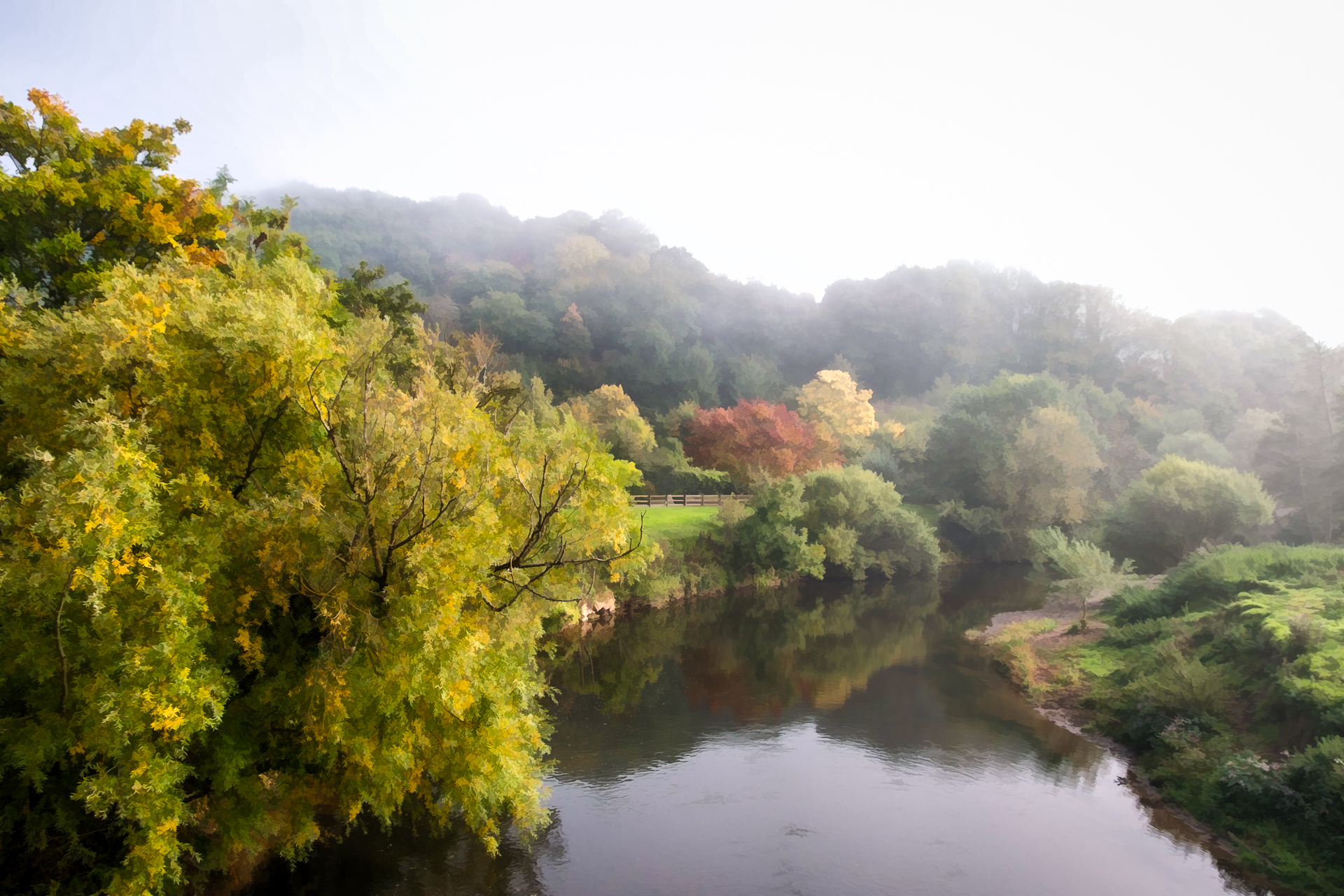
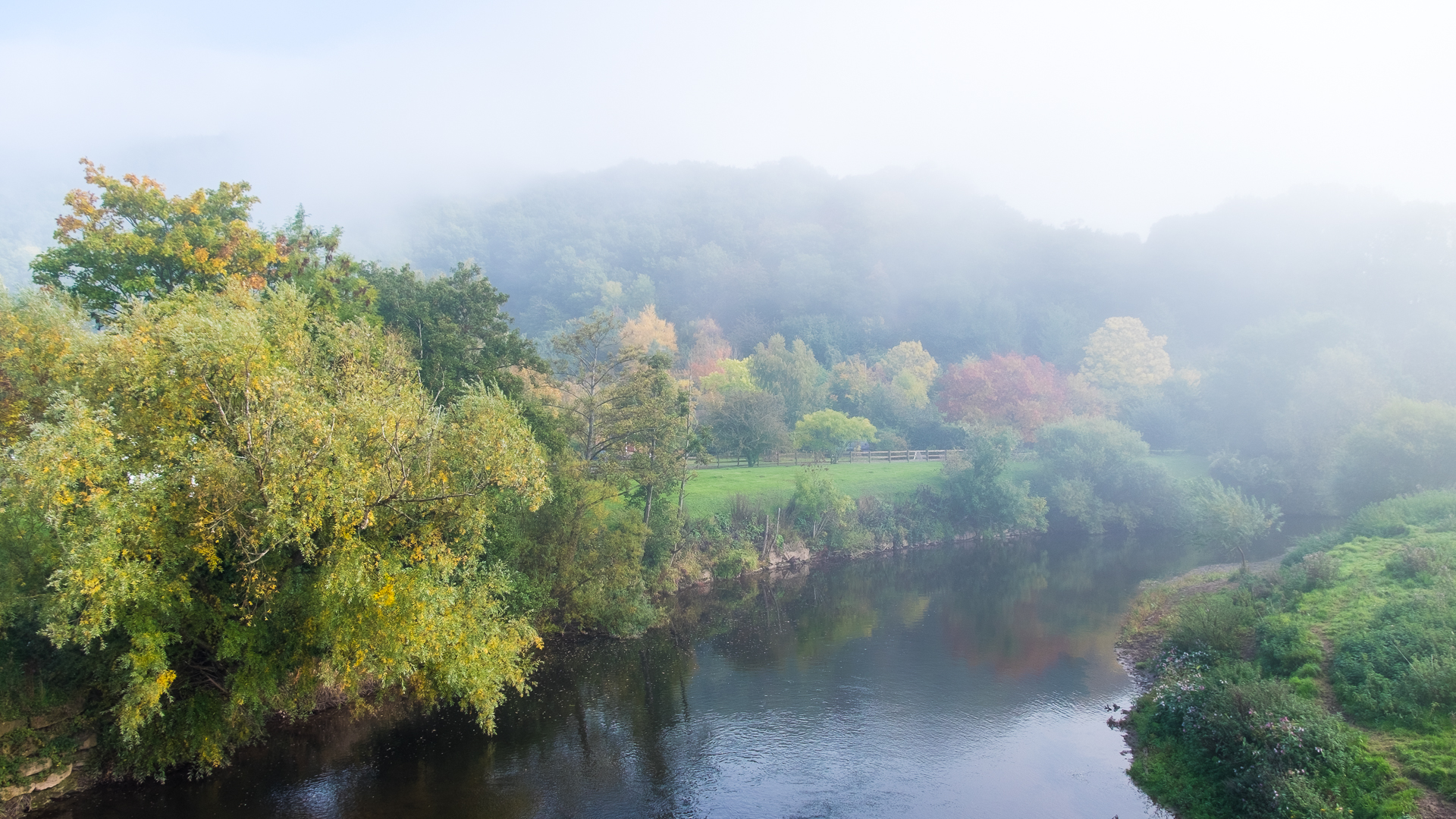
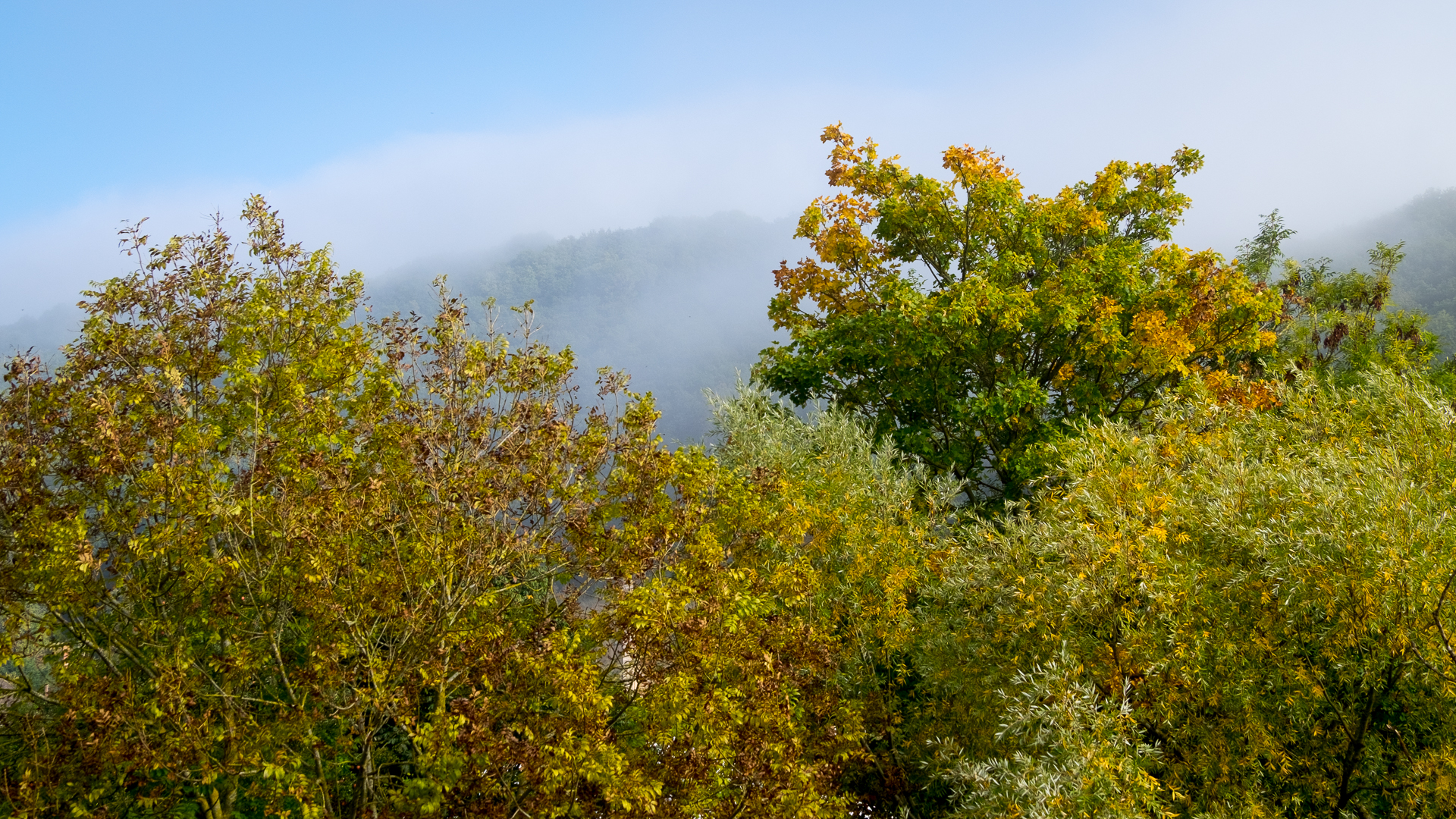
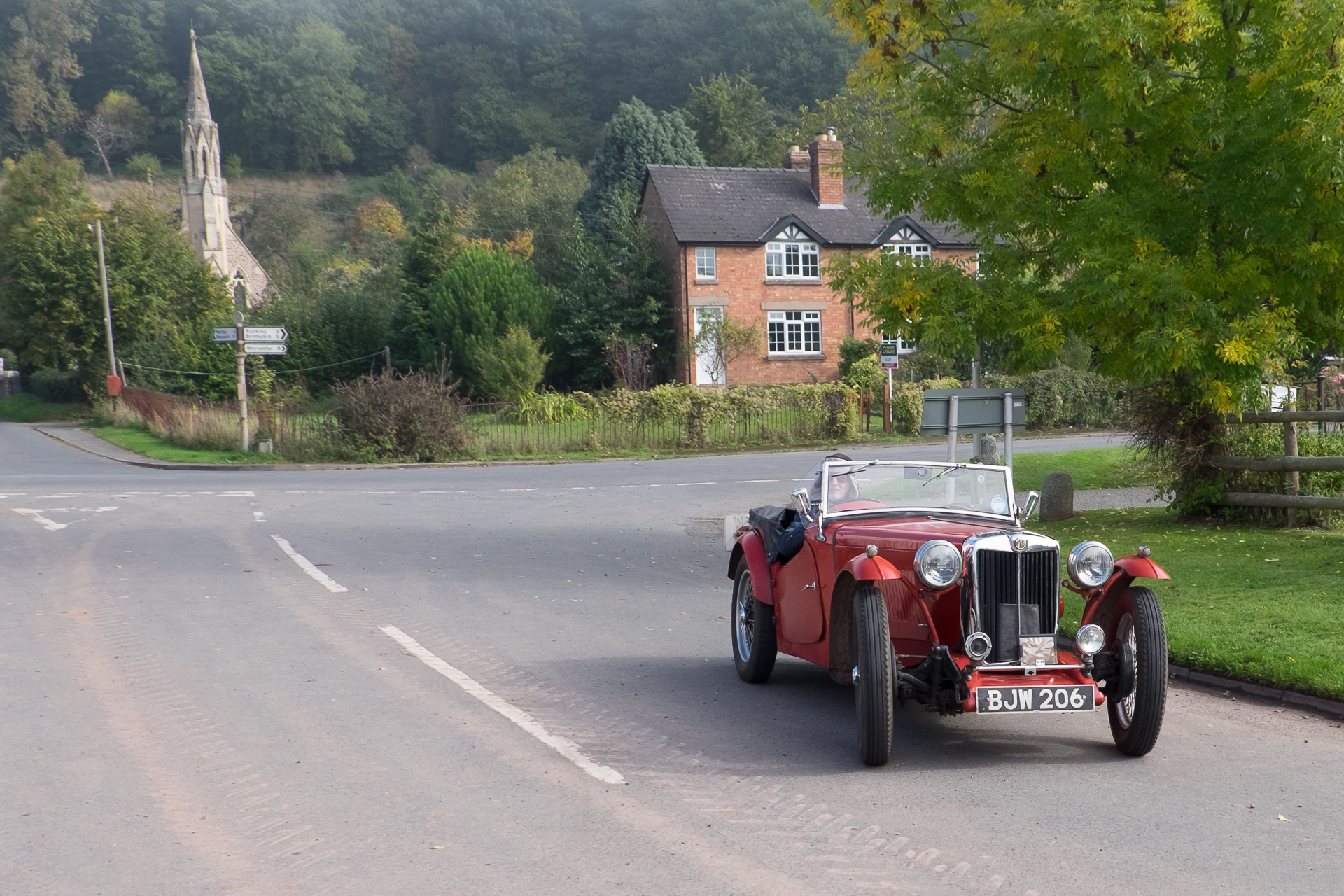
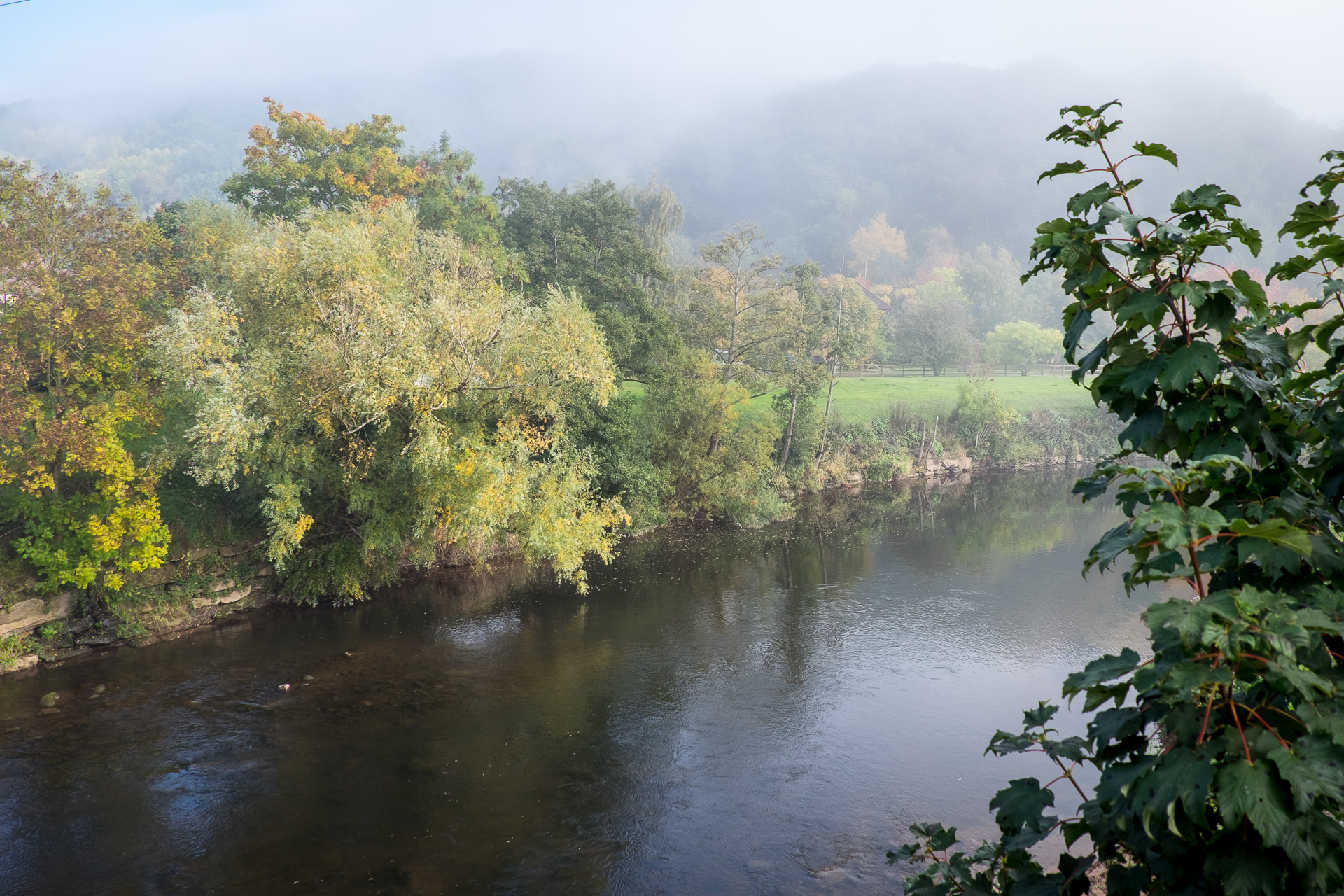
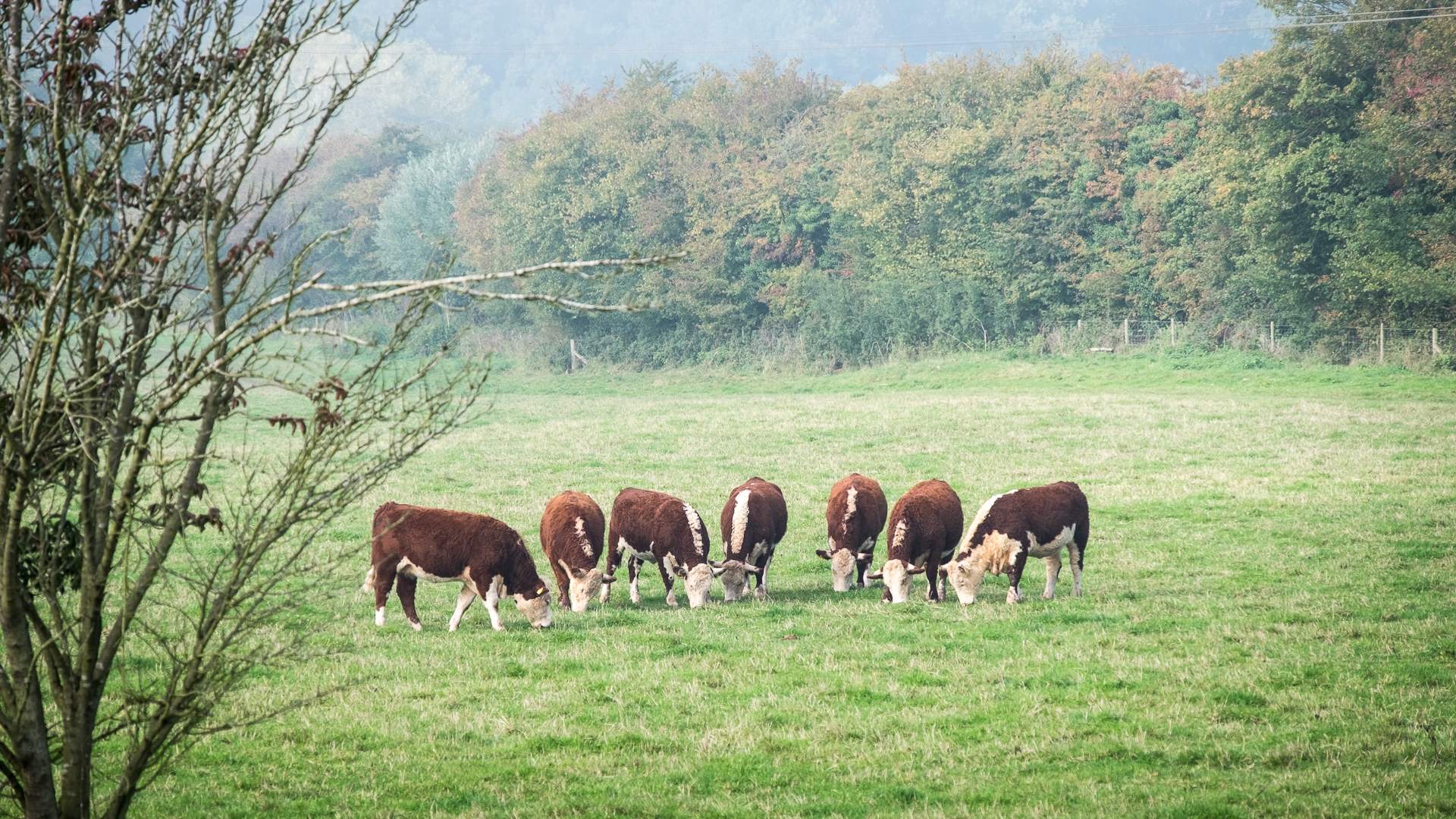
A few shots from an outing with a friend for a pleasant lunch at the Talbot at Knightwick. A misty morning that brightened beautifully.
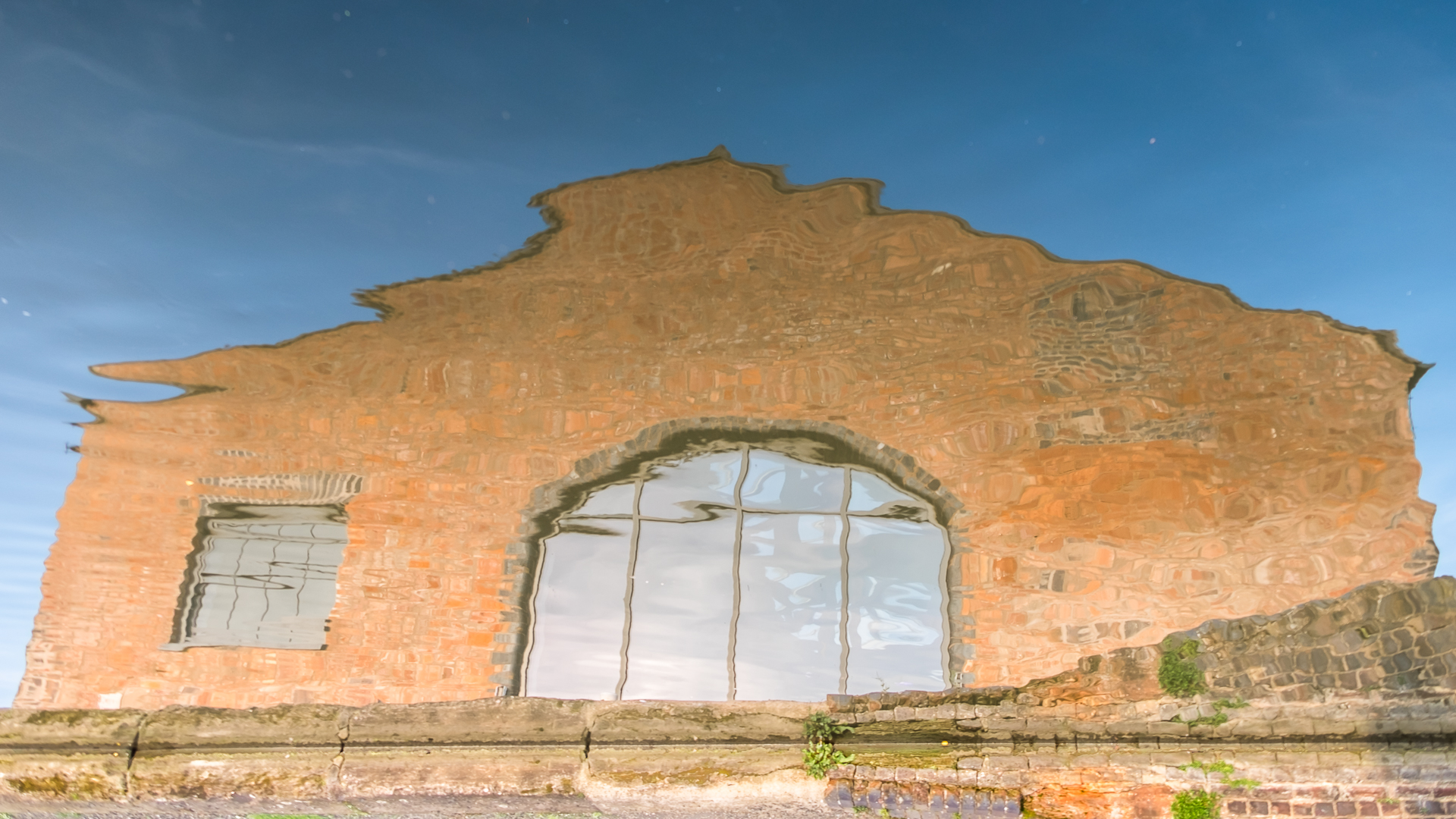
On the way back through Worcester from a pleasant afternoon at Croome Park (more of which anon…) we came back past the turn for Diglis basin and locks, which we’d somehow never visited in thirty years of living in the area.
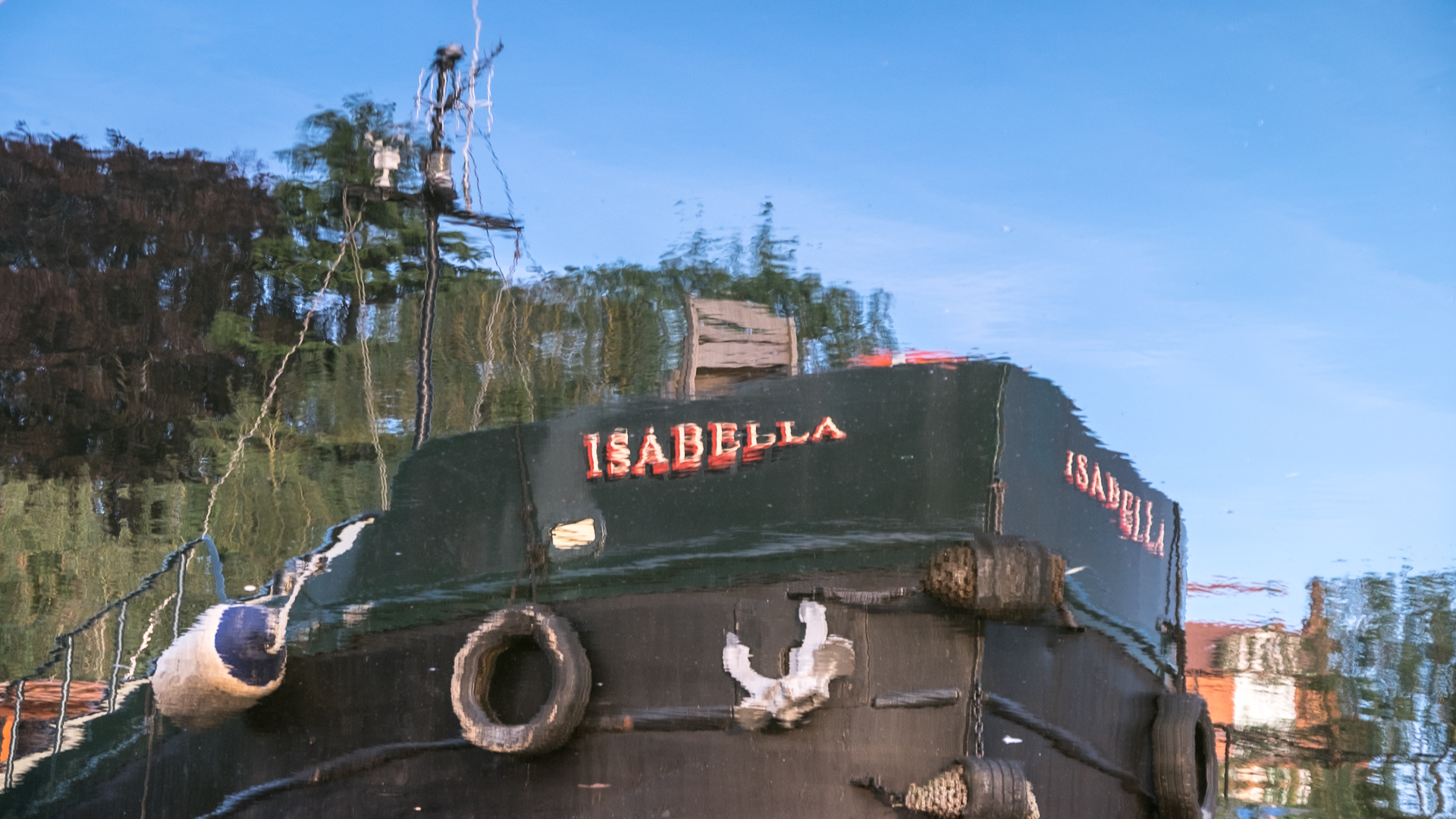
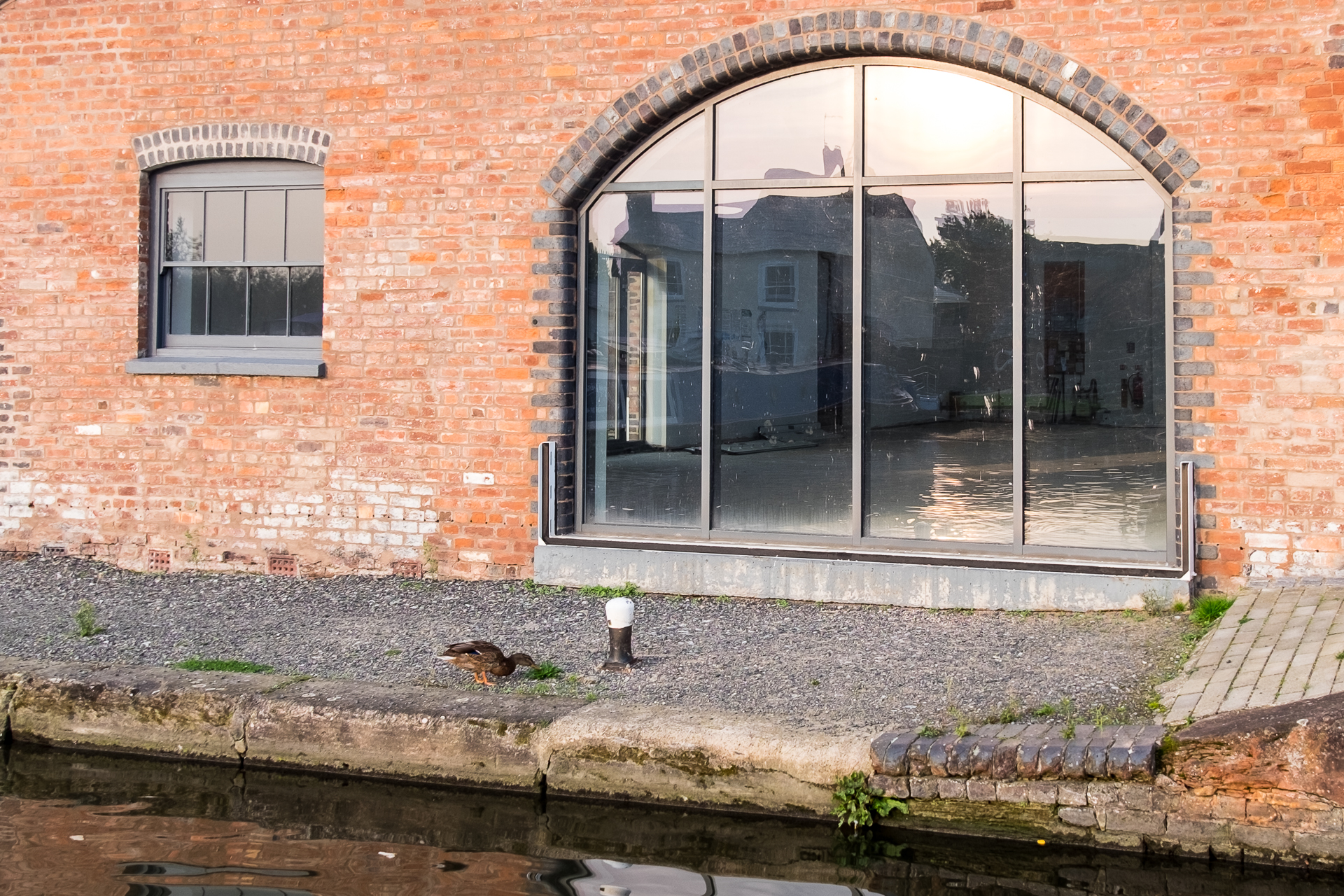
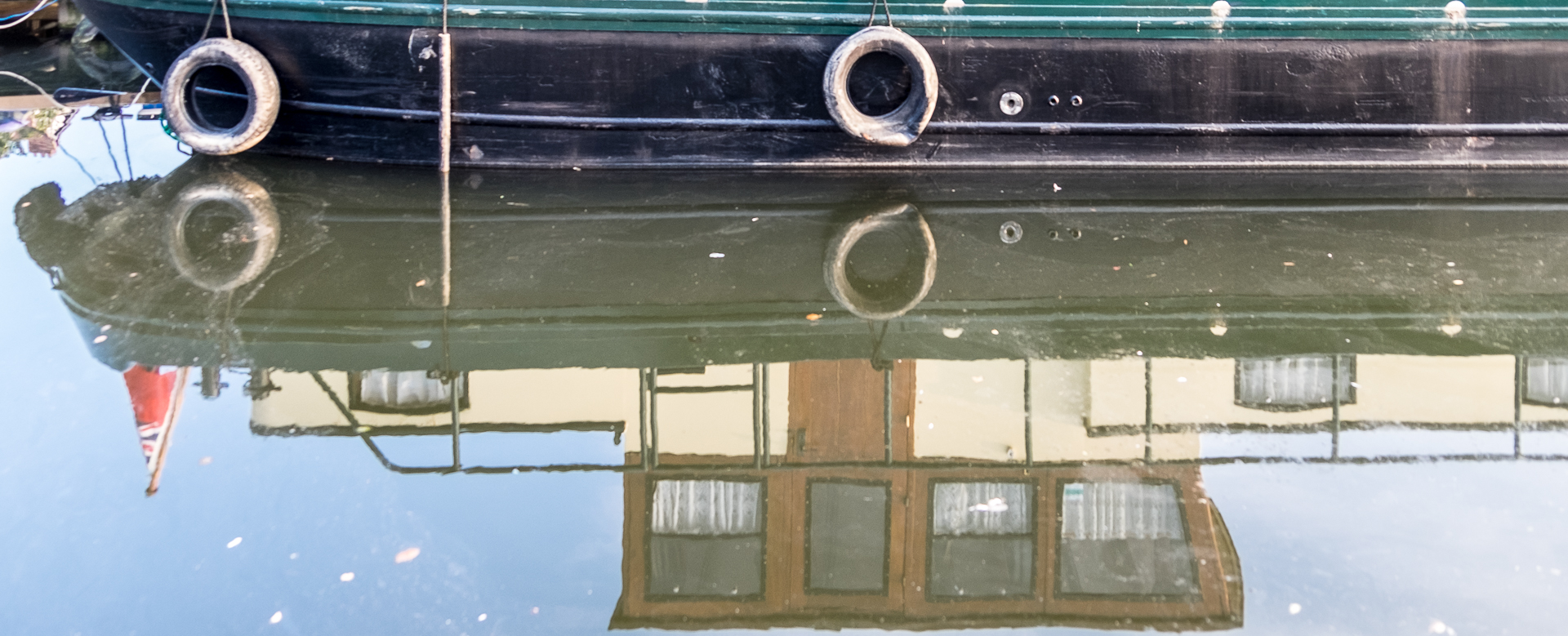
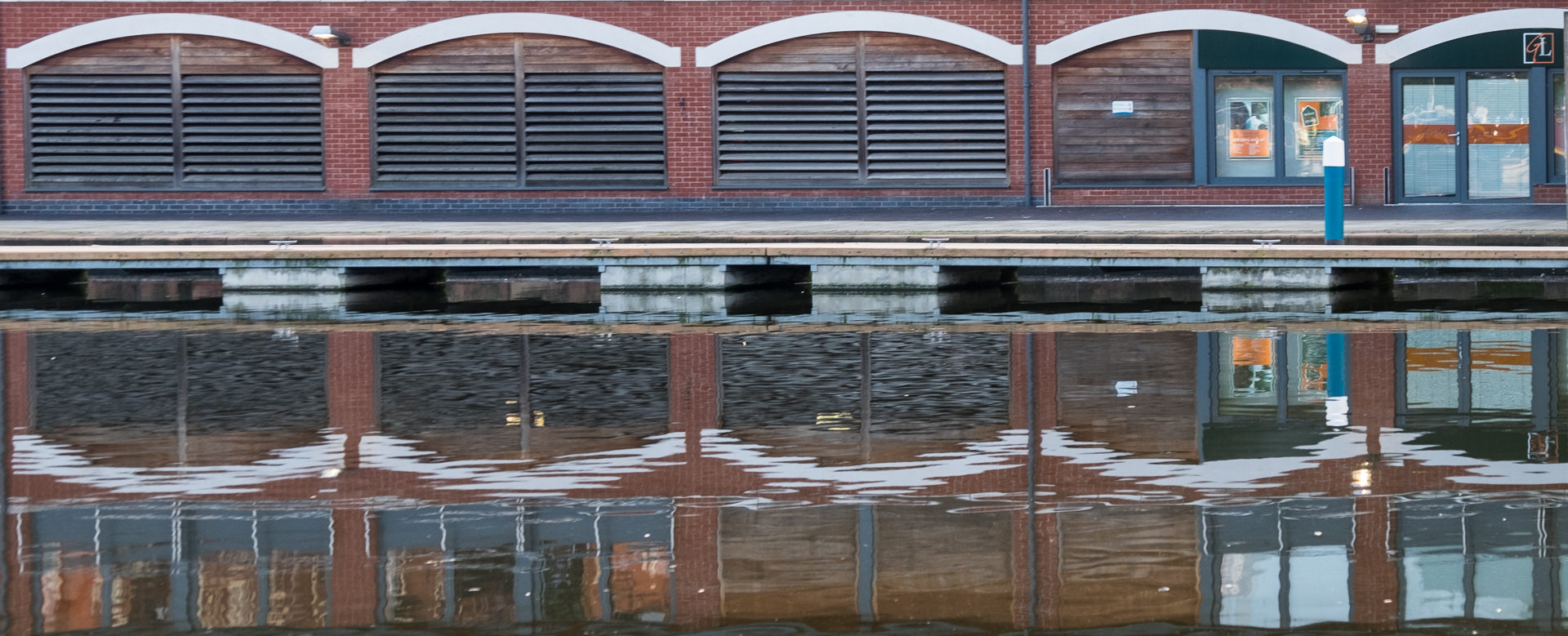
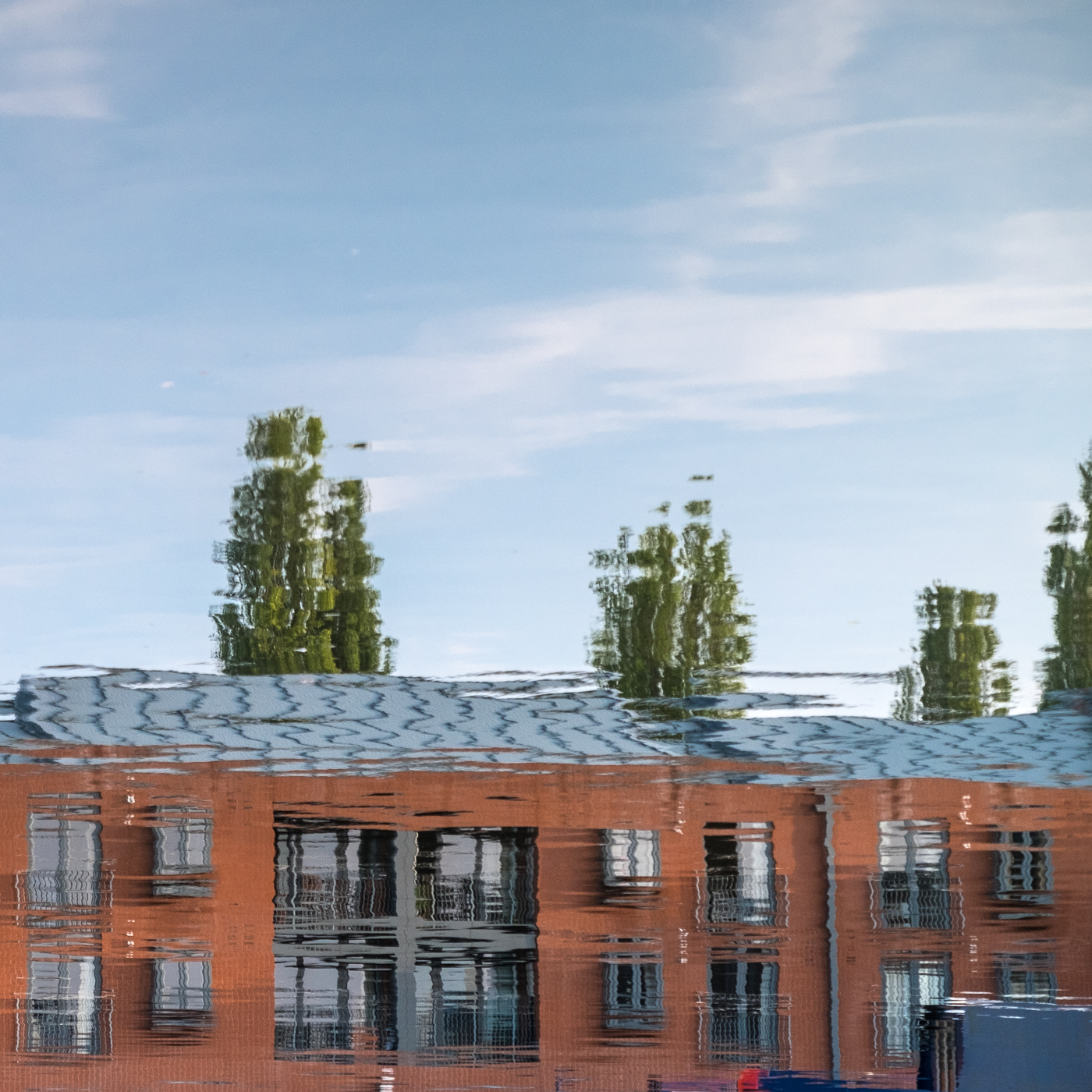
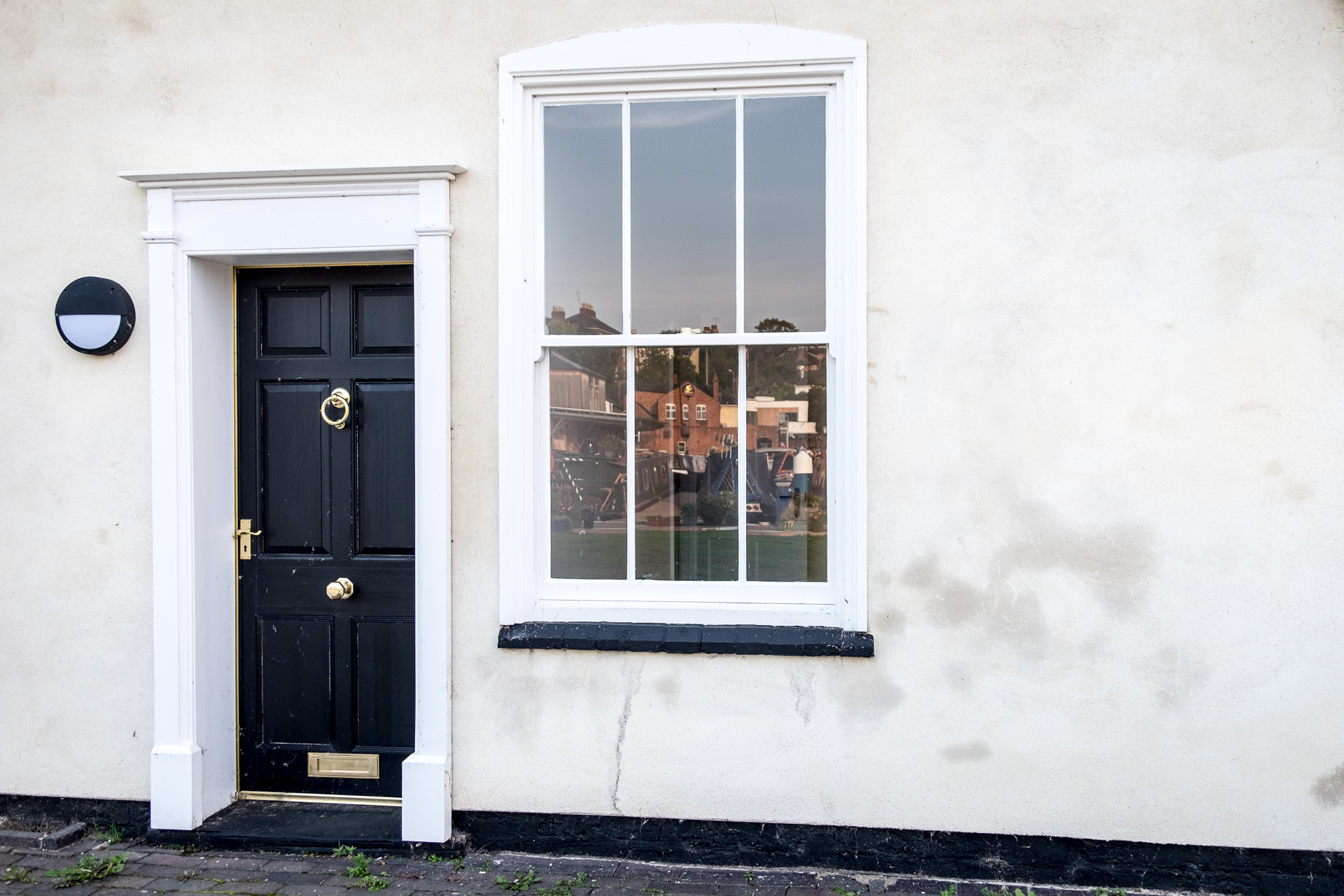
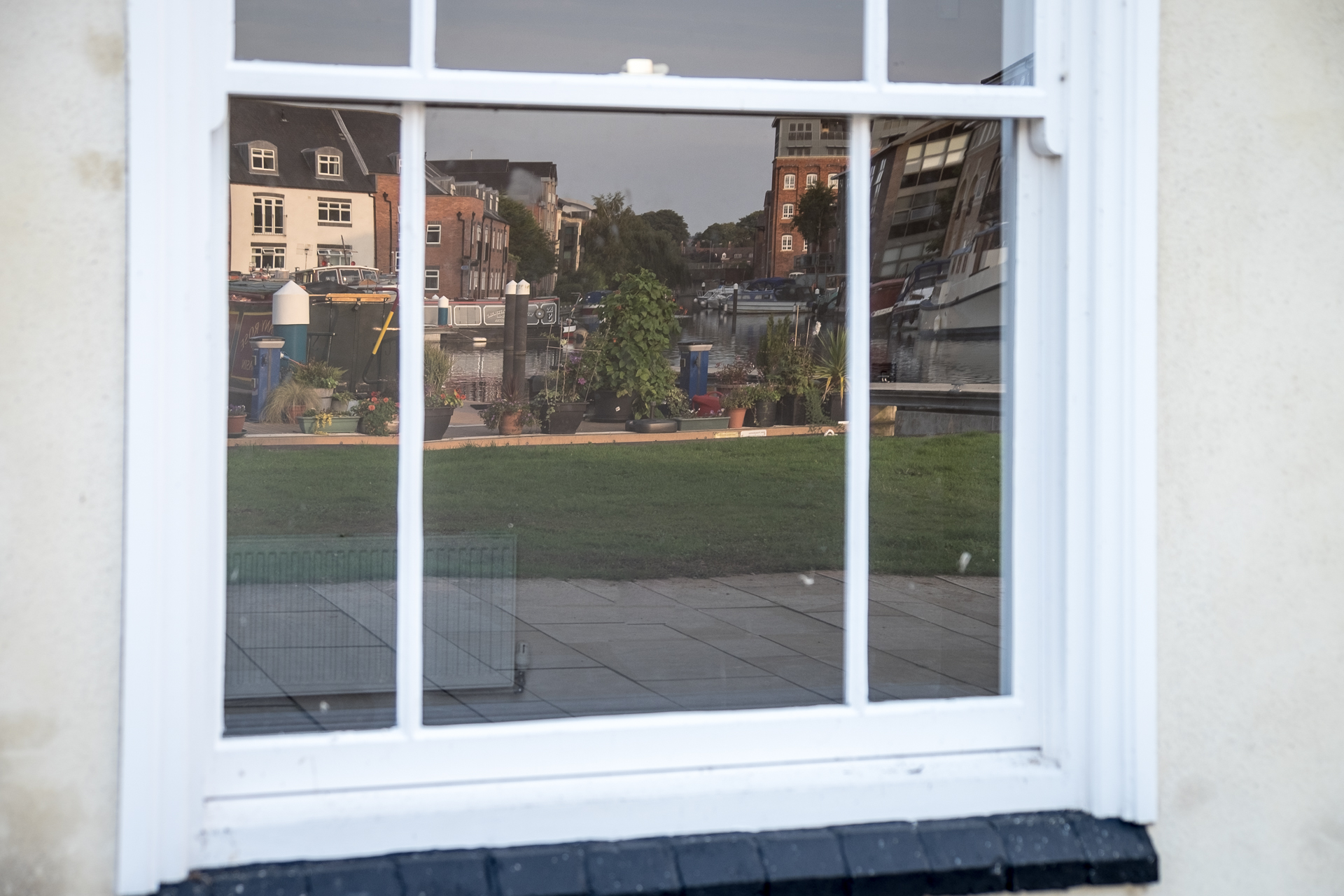
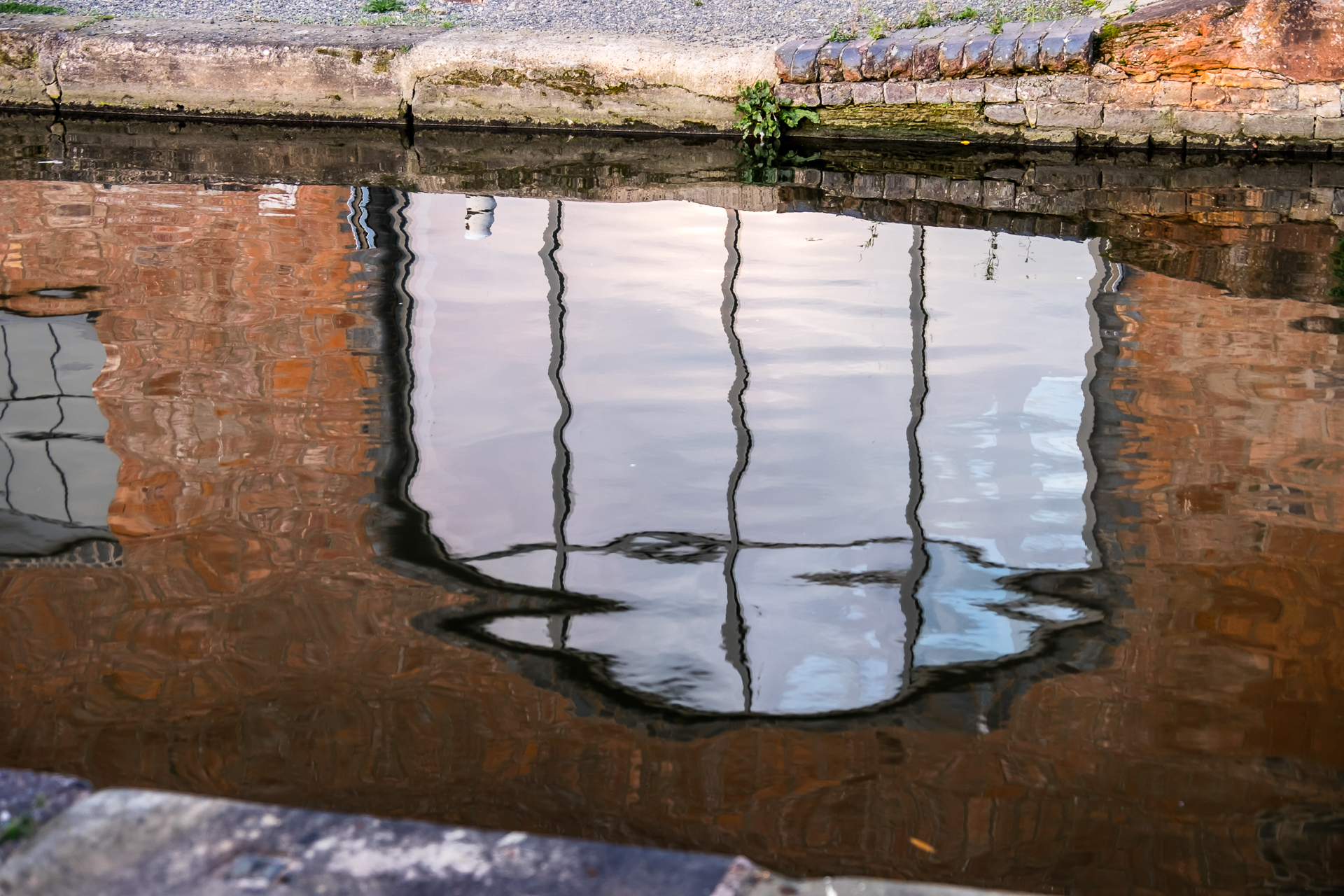
We dived down the lane and took a brief meander mainly around the ‘regenerated’ marina area, with the intention of coming back again soon for a proper photowalk and exploration. I came away from even this dash around with a couple of sets of photos; a panel of mainly black-and-white images and this little collection of various reflections that just took my fancy.
I think my favourite of the day is Fourfold, at the end, as it’s a bit of a contrast.
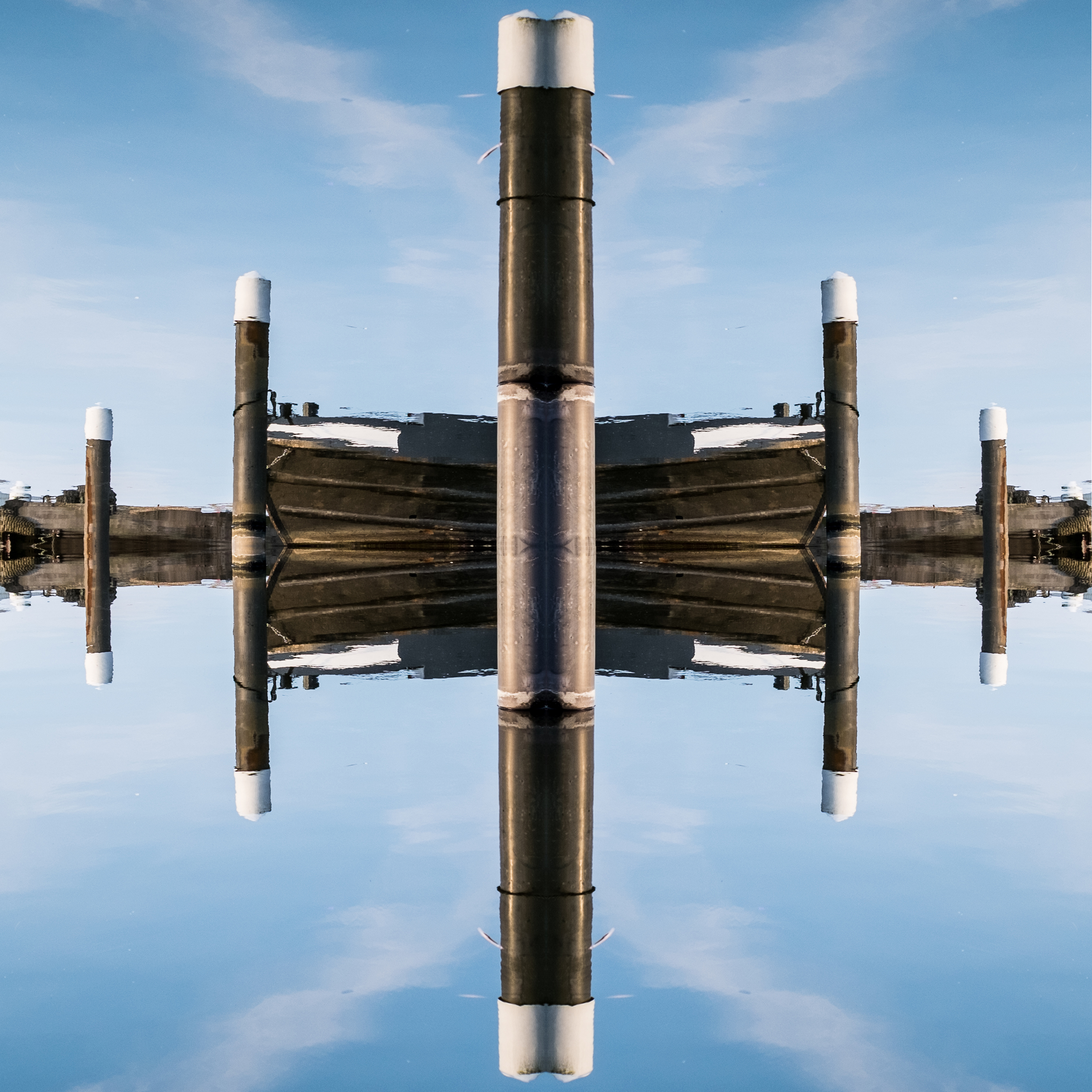
Finally, I had a fit of Photoshop and a quick fiddle with a shot of some moorings to make a fourfold reflection and rather liked the slightly surreal result…
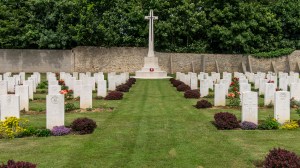
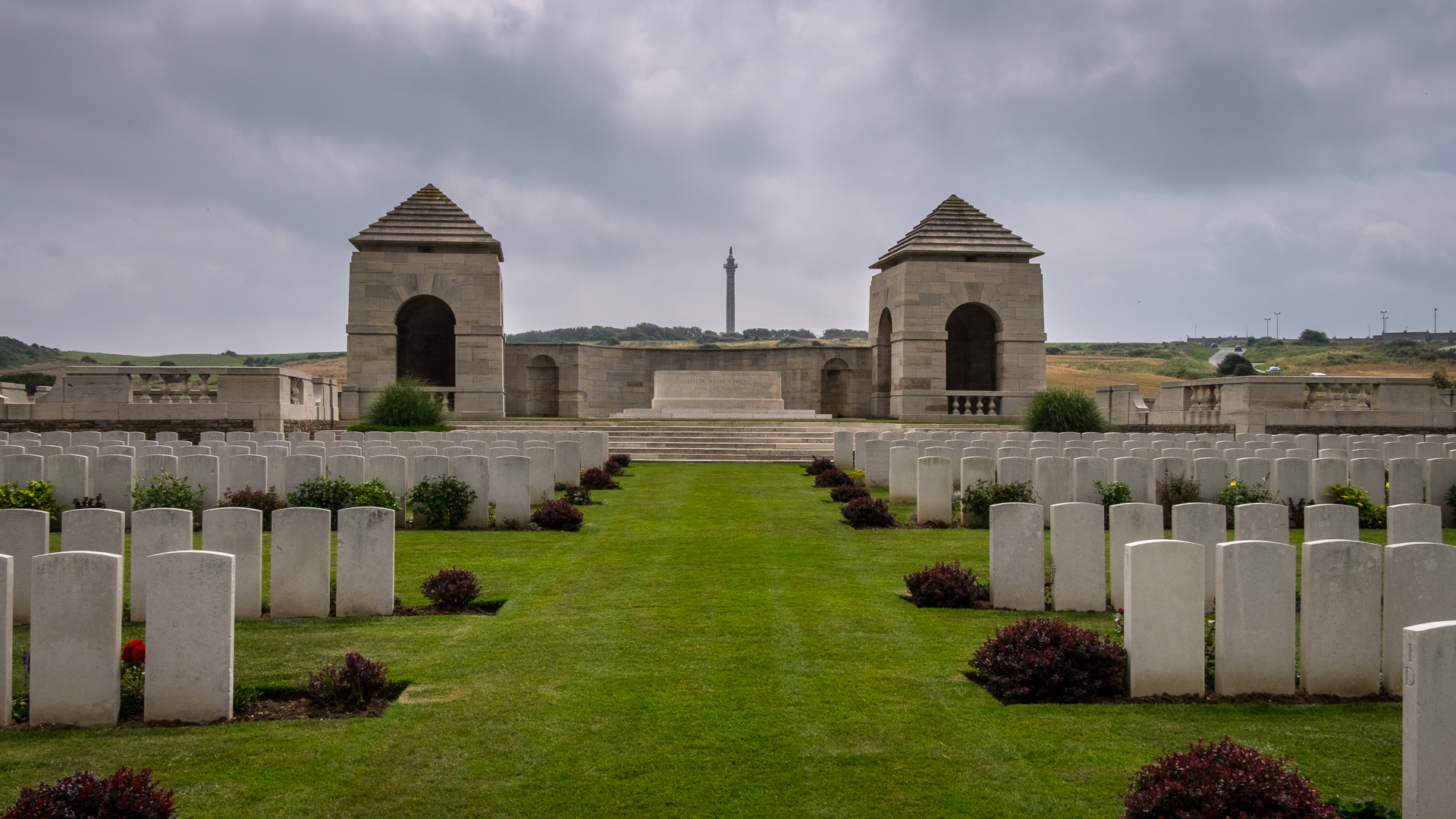
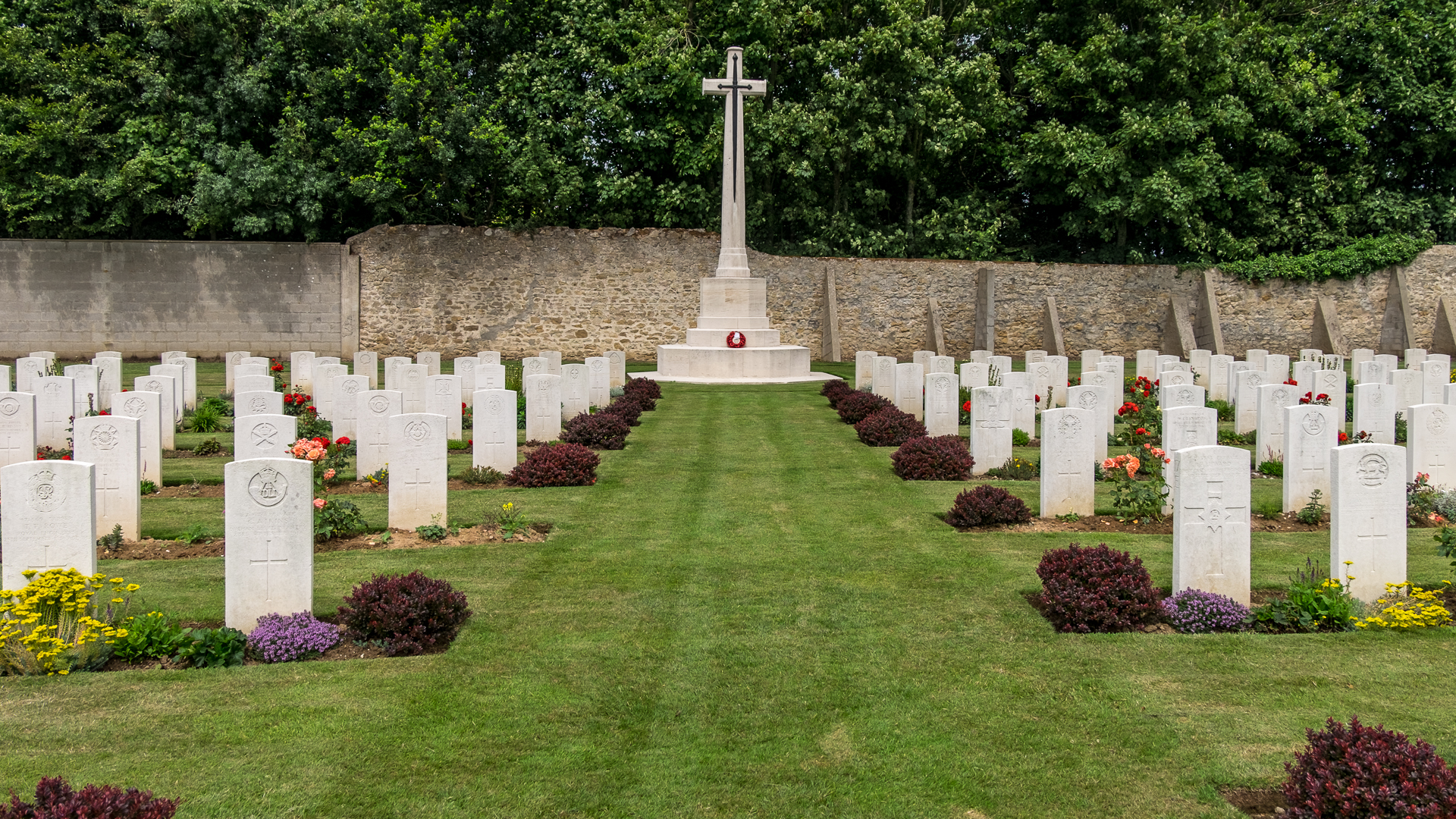
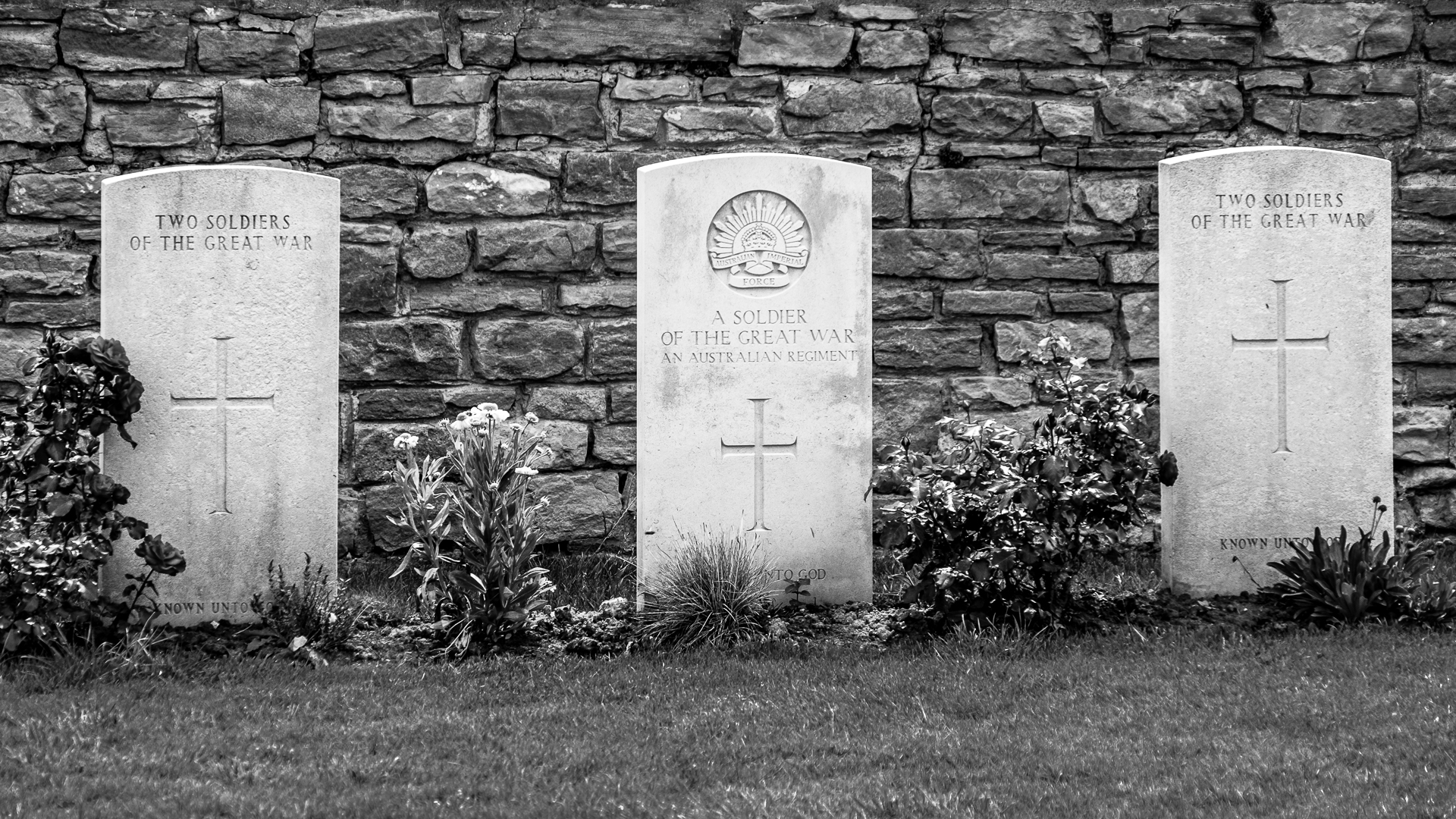
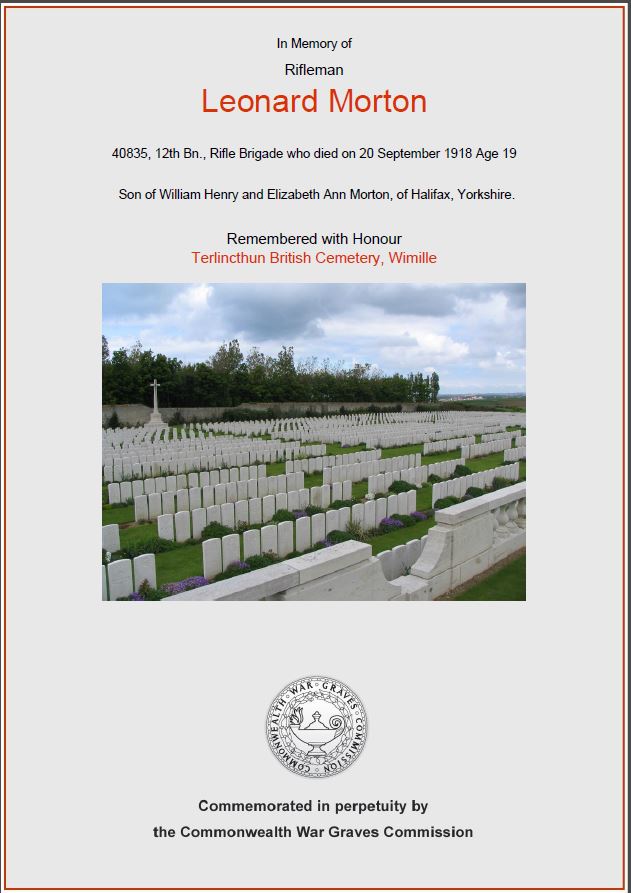
Last year we came back up the coast of northern France with a few hours to spare before the dash for Eurotunnel and stopped off at the British military cemetery at Terlincthun. We have visited these on occasion and paid our respects to British and Maori war dead in Tunisia and to British, Germans and Sikhs in France, among others. As we looked round, I mentioned to my husband that my great-uncle was buried in a war grave somewhere in the area.
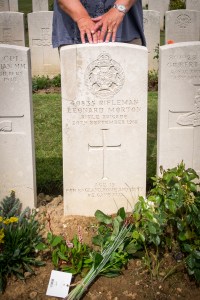
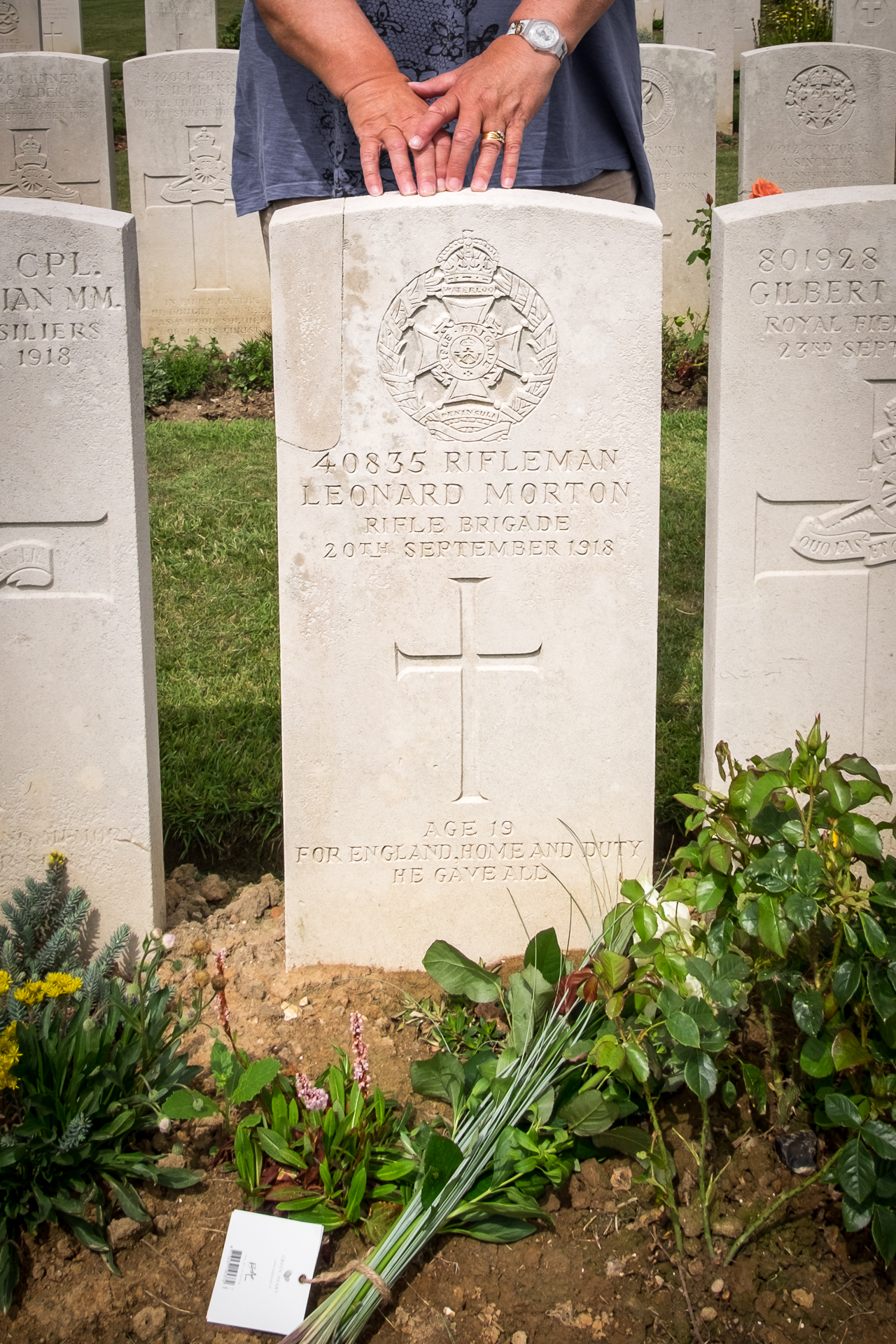
On our return, I looked up the details and found I had been standing one row behind Leonard, my relative, and not known it. As we were in France again this summer, I decided to go again and find the grave, in a way, doing it on behalf of the family as my uncle had been doing some family history and discovered Leonard’s fate.
This was the War Graves Commission commemoration I had found to be available; I was quite touched by the care taken, the attempt to continue to provide information and the simple commemorative certificate that can be generated on their site.
The Commission takes its role seriously and the cemeteries are always impeccably tended. The information about grave location is available with plans such as this…. Leonard is in IV B, grave 11, should you ever be passing Wimille…
Terlincthun cemetery plan m002.gif
A lot more information was available than when I had last looked online, and I had found the record of the headstone order with the inscription his poor parents, William and Elizabeth had chosen, his medal card showing the British and Victory medals – little consolation to the family but at least a recognition.
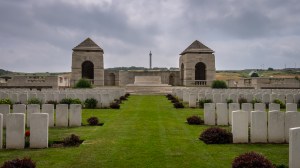
Leonard’s last resting place is close to the Colonne de la Grande Armée – you can see the column here, directly opposite the cemetery. (Leonard’s grave is just to the left in the shot immediately above.)
I took some flowers on behalf of the family: a foolish gesture perhaps, but it felt right. We aren’t usually a family for marking anniversaries in this way, or spending a lot of time at gravesides; we would rather recall the people in their normal milieu, but we didn’t know Leonard, and somehow it seemed a mark of respect for this lost 19-year-old boy.
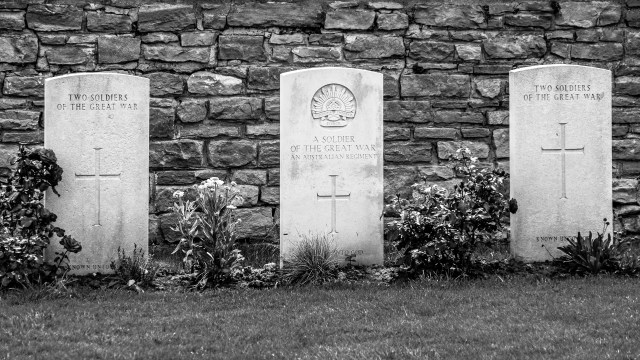
We spent some time ‘meeting the neighbours’ too, Australian, German, British, officers and other ranks, all equal in death. There were those who had no name too.
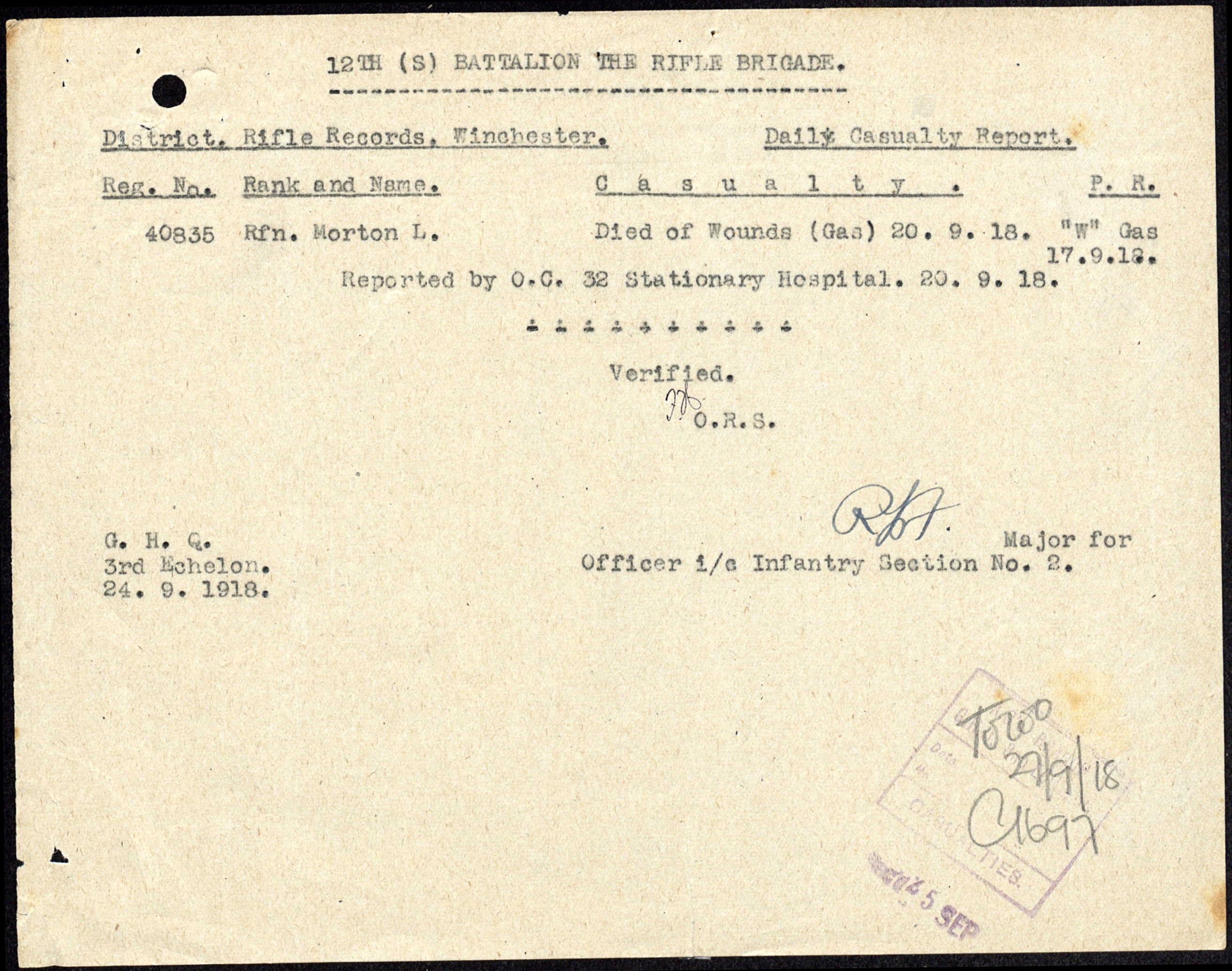
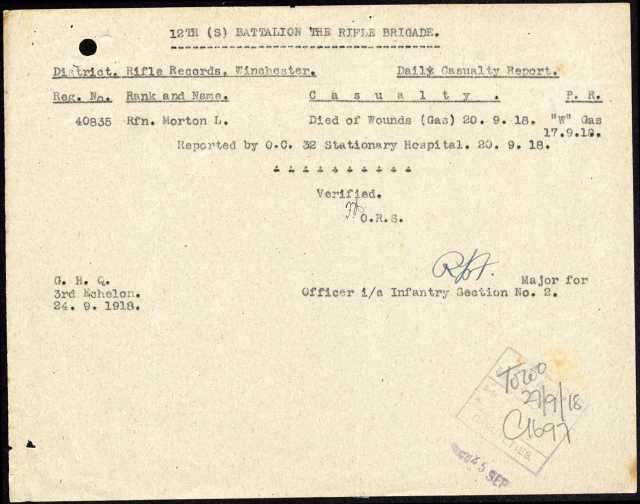
Since returning, I have tried to find out a little more about this young man. I knew he was deemed to have died of wounds (gas) but no more. I tracked down the digitised battalion diary recently and ploughed through it to find that Leonard was listed in the wounded on 5th September 1918 and found the notification of his death on the 20th. I can’t imagine what he went through for that fortnight where he clung on to life, or how much of a relief it might have been for him to slip away finally.
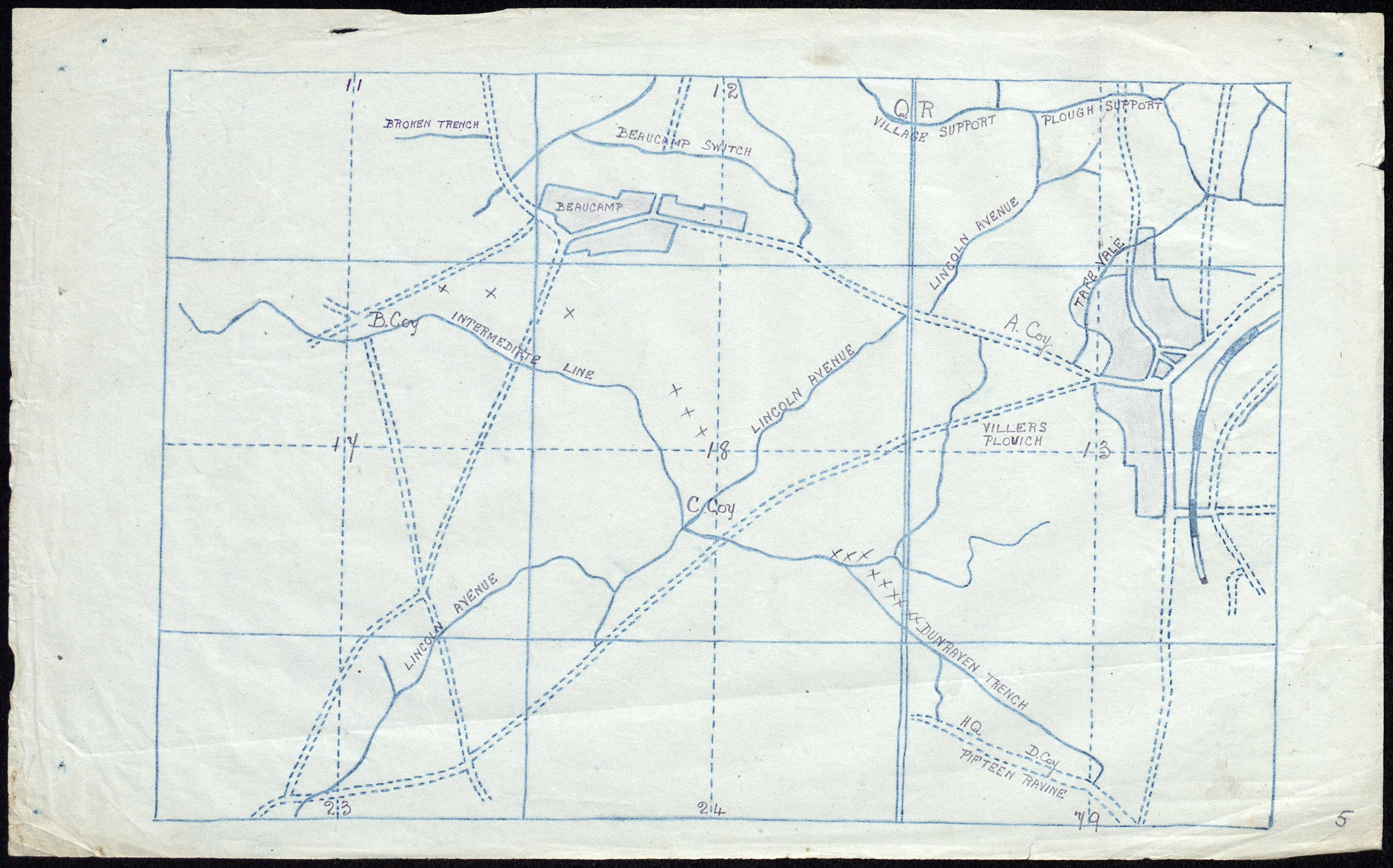
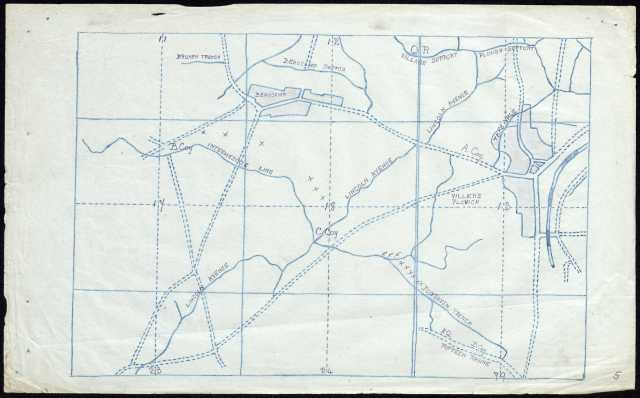
What I don’t yet know is more about the action in which he was injured. I found this map from around the relevant time, but have yet to track down any further information. The battalion diary appears to have become a list of casualties rather than of action, though I may not yet have found the relevant sections. As we never had chance to know our relative, I feel I would at least like to know a little about his last days.
At 19, the age at which you died, Leonard, I was at university, enjoying life and for me at that age, a crisis meant an essay not completed or a drama with a boyfriend. The contrast is stark.
May the gentle earth lie lightly upon you, Leonard.

Our mercy mission the other day saw us taking an impromptu wander around the delightful Cotswold village of Painswick which happened to be holding its Artburst festival. Part of this took place in the Painswick Centre, an impressive facility for a small village. Apart from the interesting Open Studios, it also contains the ACP Gallery, which currently houses the Off the Wall exhibition, running to 13th September. We were pleased to find that photography was allowed and took full advantage. If you’re in the area, it’s a couple of quid well spent.
The Cleo Mussi mosaic in the entrance caught my eye initially…
…and the rest of the small but fascinating collection kept us well entertained. Here are just a few shots to give you a taste of our serendipitous find…
A little gem…
The black-chinned hummer buzzes my flowered shirt,
bringing to mind the letter H, its history of an inferior life among
letters, and a Phoenician origin signifying fence.
An aspirate dependent upon others, or a line strung between posts,
even whispered, H does not contain itself.
Disconsolate or annoyed, the bird moves on.
Do names depend upon the power of symbols, or do they power the symbols?
In the 6th century A.D., Priscian disparaged H, saying it existed only to accompany.
Clouds shade the way.
The black-chin extends its grooved tongue at a rate of 15 licks per second.
Alone, the H’s voice is barely audible.
Through the trees, across the crushed rock driveway and beyond the barbed wire
and chain link, I hear deadfall snapping under hooves.
At rest, its heart beats an average of 480 beats per minute.
Modern Greek denies its existence.
Say khet…
View original post 27 more words
I have a couple of ageing teddy bears that have been with me all my life – indeed, Old Ted was my mum’s or her sister’s, I think. They have accompanied me to Africa and back several times as a small child, and have survived the vagaries of me, family and visiting children over the years. They, like me, sit around in a reasonably contented semi-retirement (with the addition of the Aussie newcomer, brought back by my mother from a visit there in the 80’s, so he’s not as young as I think!).
However, the time came for Big Ted to have some serious chiropody, as you can see from the photo. After a bit of internet research and phone calls, the invalid was wrapped up and taken to bear hospital on Friday. I am such a wuss that I couldn’t quite take the plunge of sending him by post or carrier to a ‘hospital’ further afield, and the one I chose said that drop-offs and pickups were possible by arrangement. How daft am I?
The upshot of this was that we found ourselves in Painswick, Gloucestershire, somewhere we realised we’d never visited, so decided to take a look around.
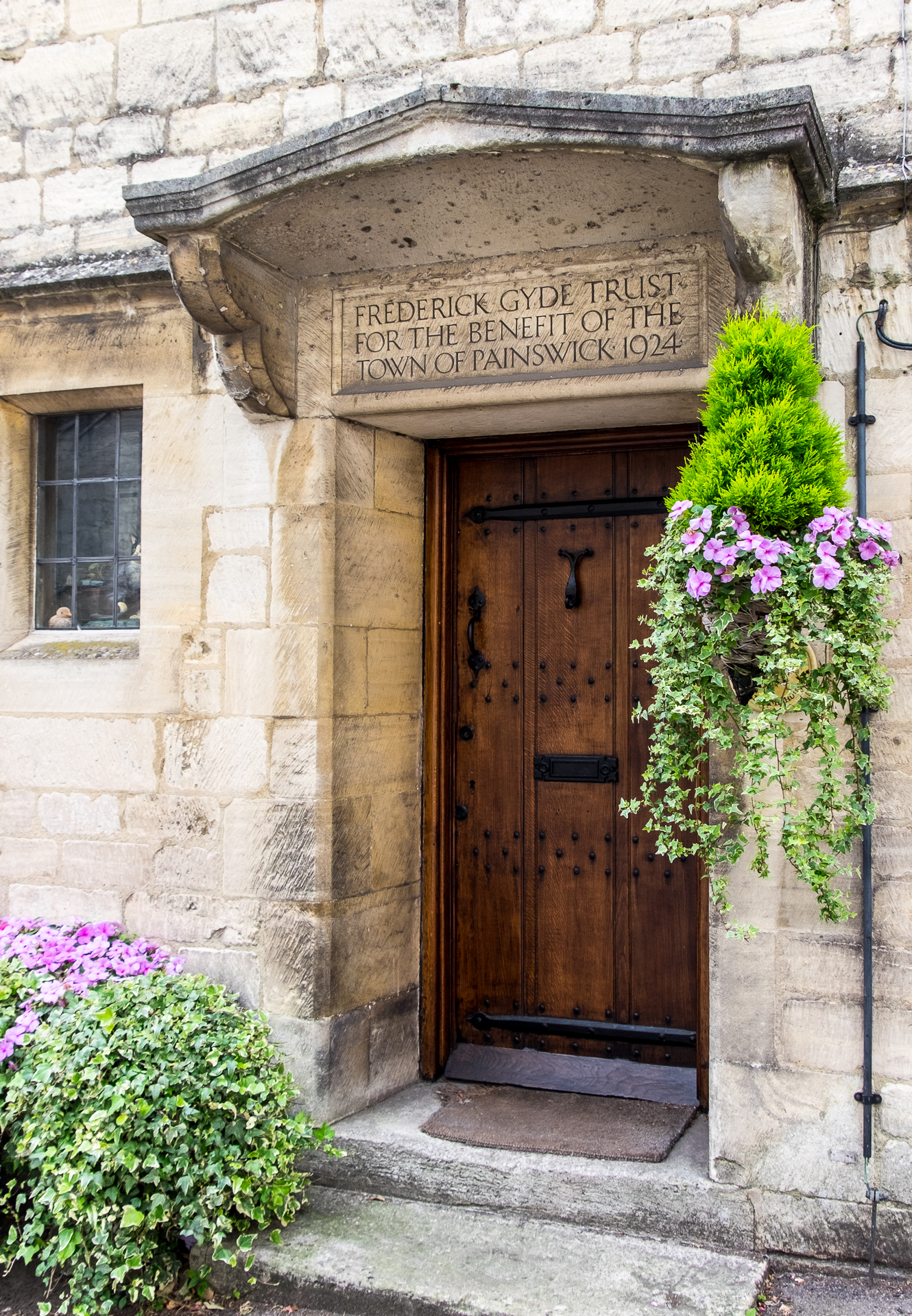
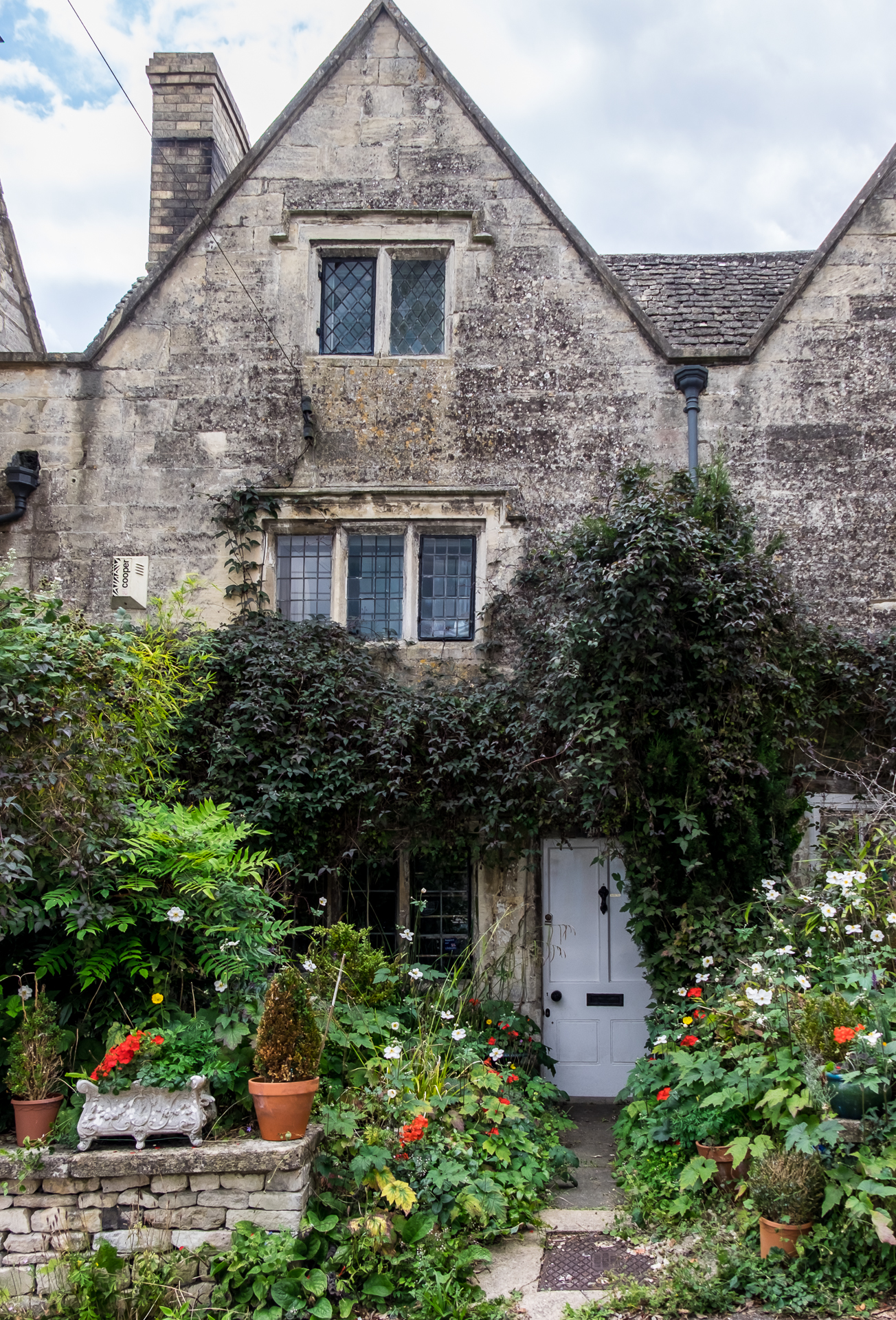
It’s a delightful village, with some very narrow streets which leads to some severe traps for the unwary, and some charming buildings in that warm Cotswold stone.
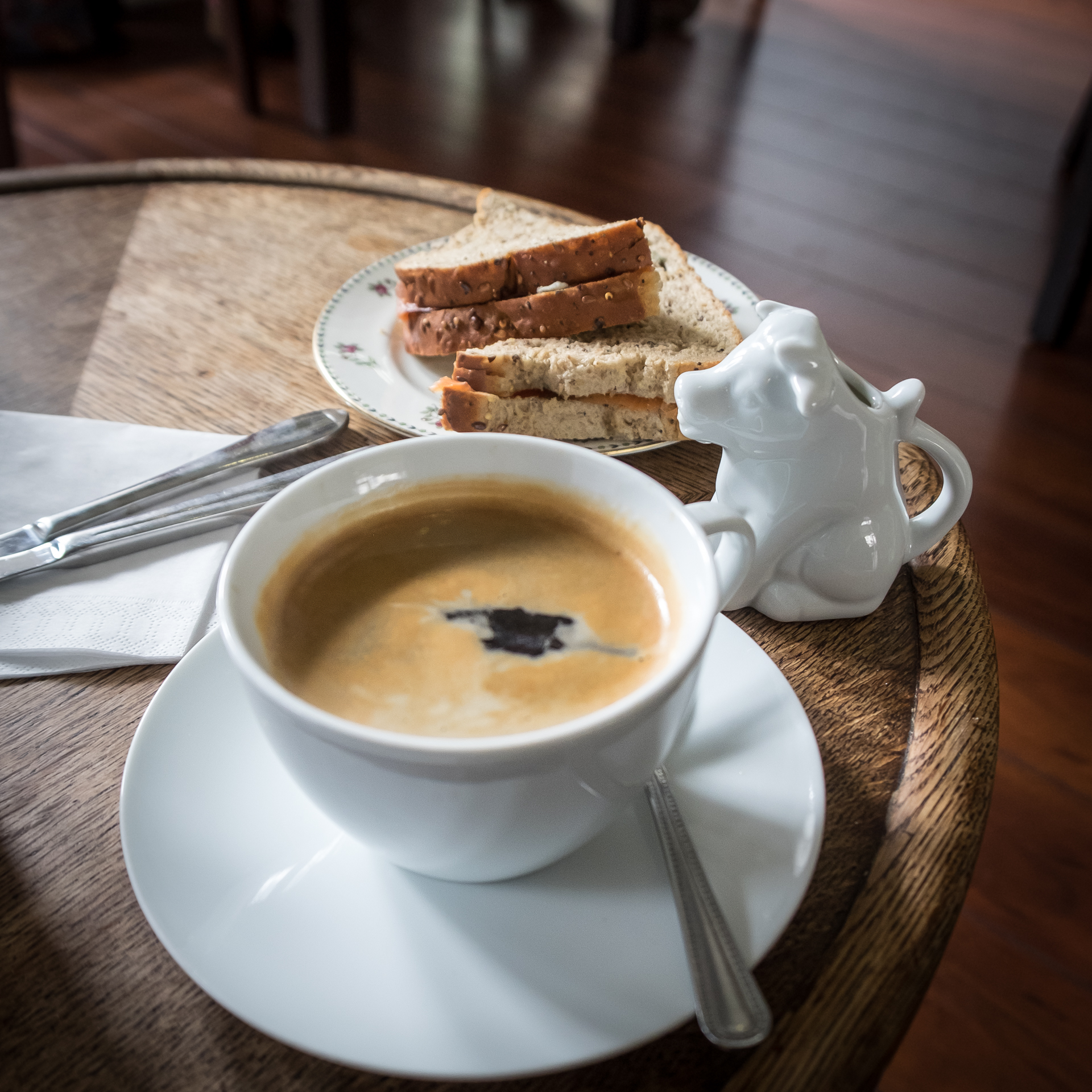
First stop was coffee and a very tasty smoked salmon sandwich in the coffee shop on the main road before Stewart’s blood sugar crashed totally.
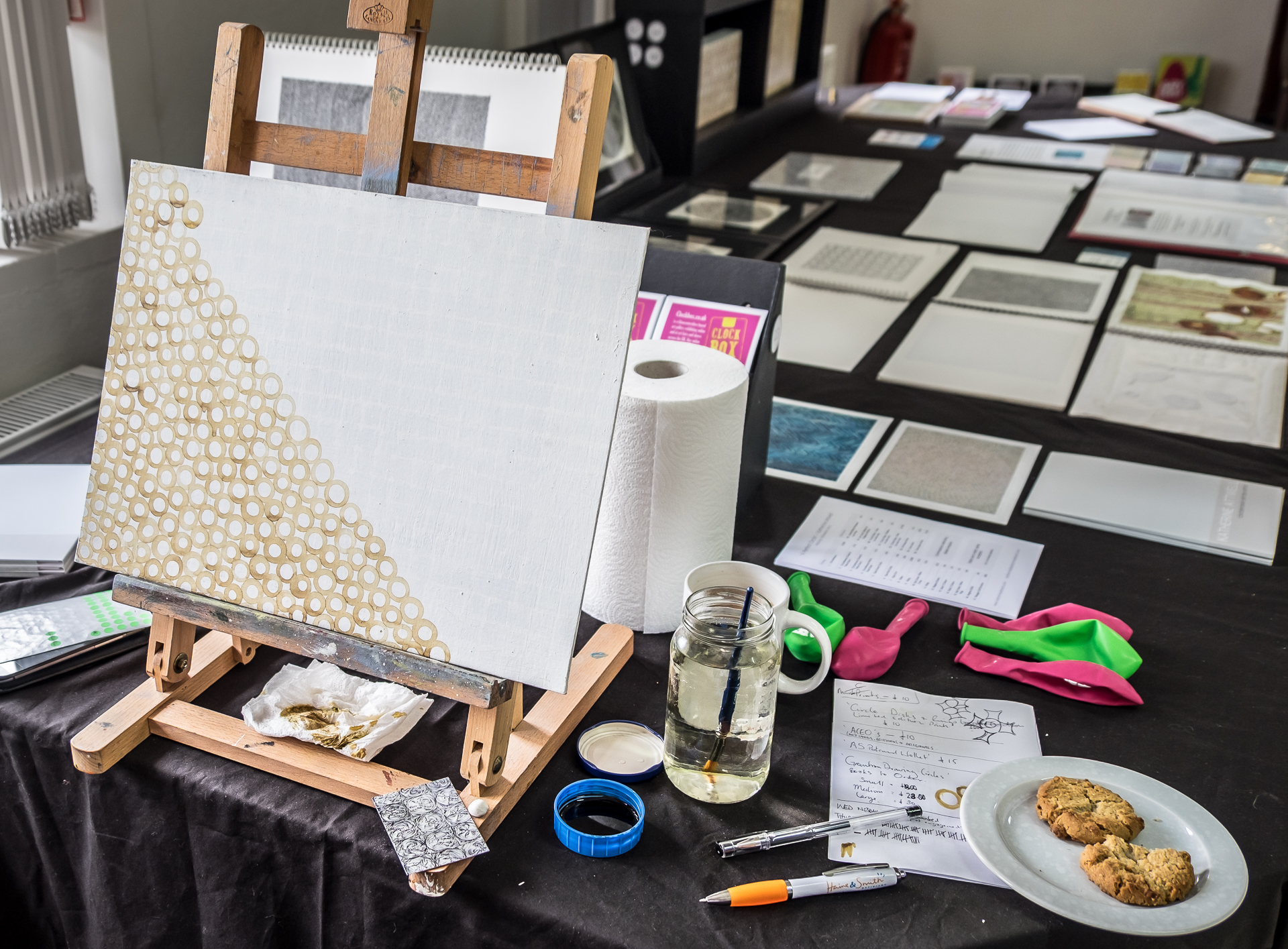
We then headed for the gallery at the Painswick Centre, more of which anon… Suffice it to say for now that we were surprised and delighted by the exhibition and enjoyed the open studio visits as well. Katherine Attwell’s work was fascinating.
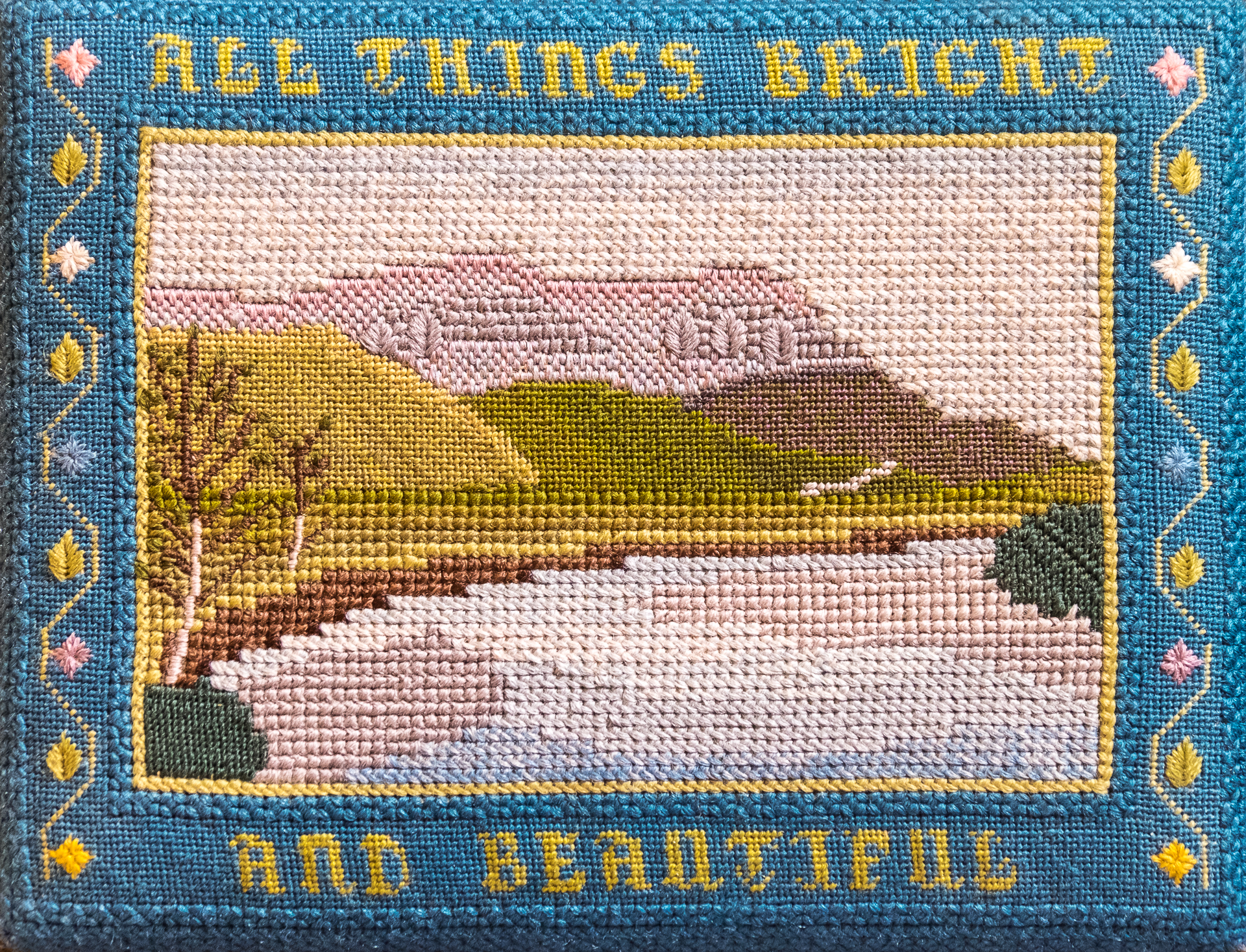
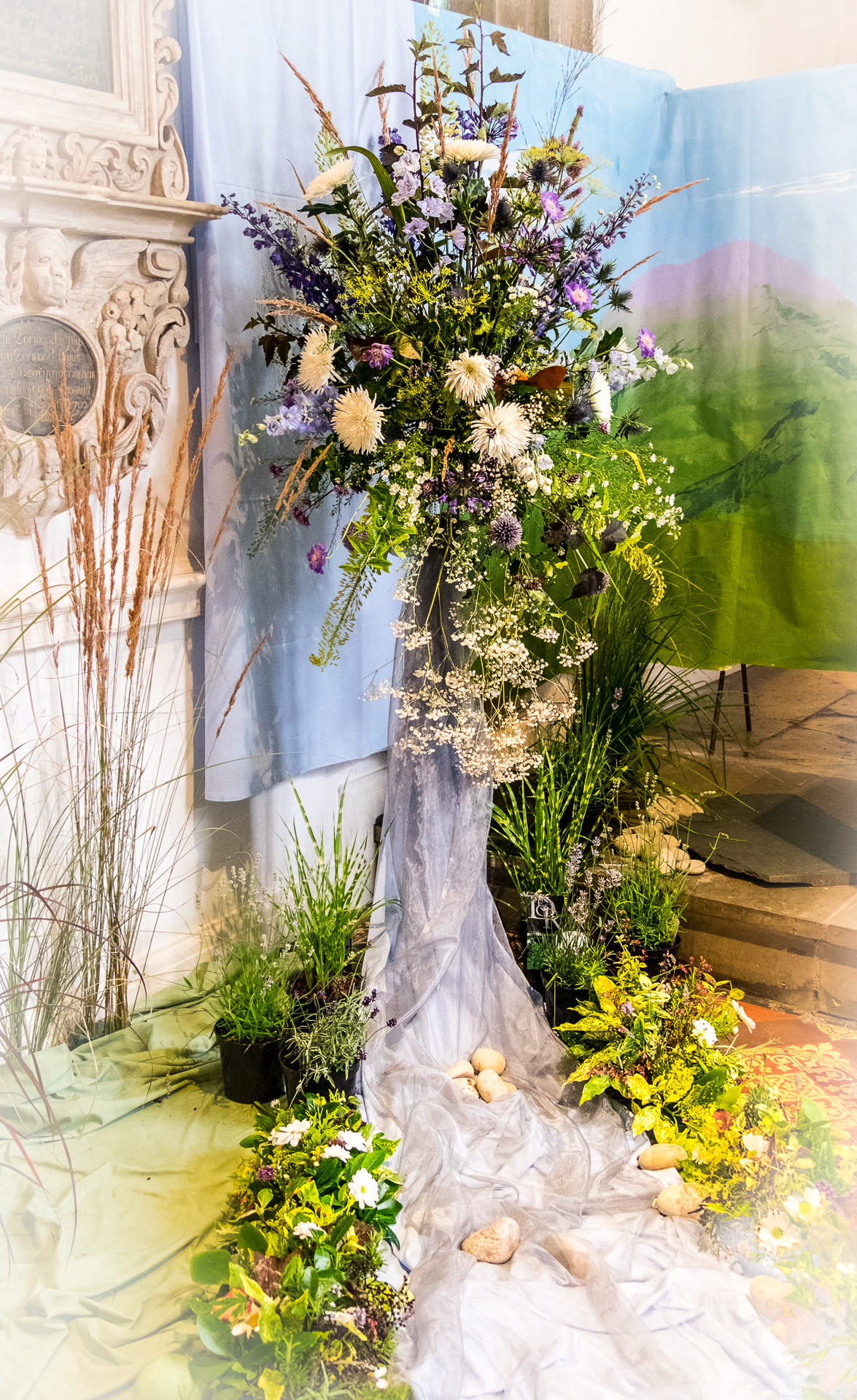
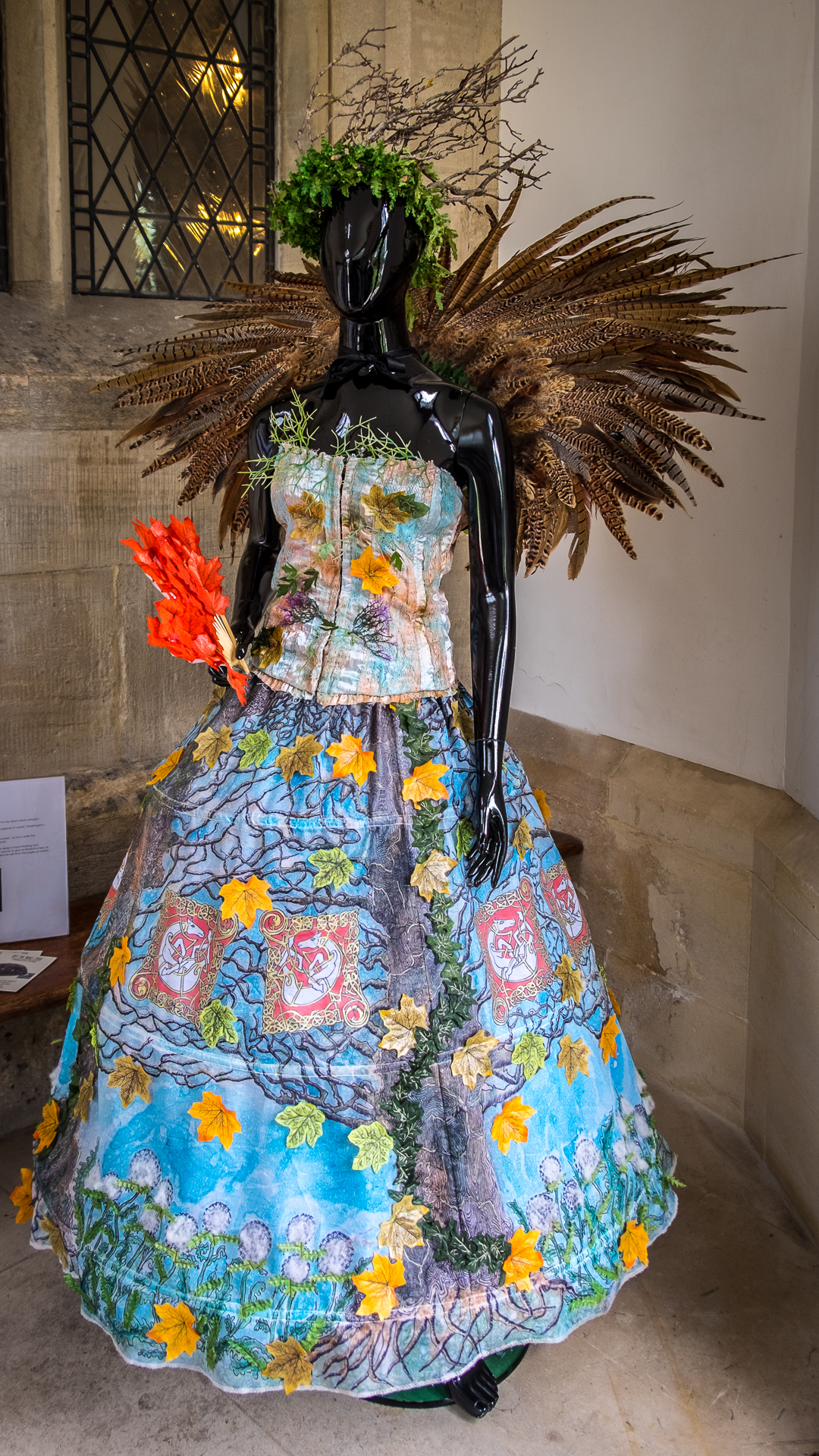
We spent quite a while in the ACP gallery, which merits a separate post as both our cameras went into overdrive! Finally we meandered over to the church, where the floral display was themed around the children’s hymn All things bright and beautiful. This seemed particularly apt as bringing Old Ted had triggered a bit of nostalgia!
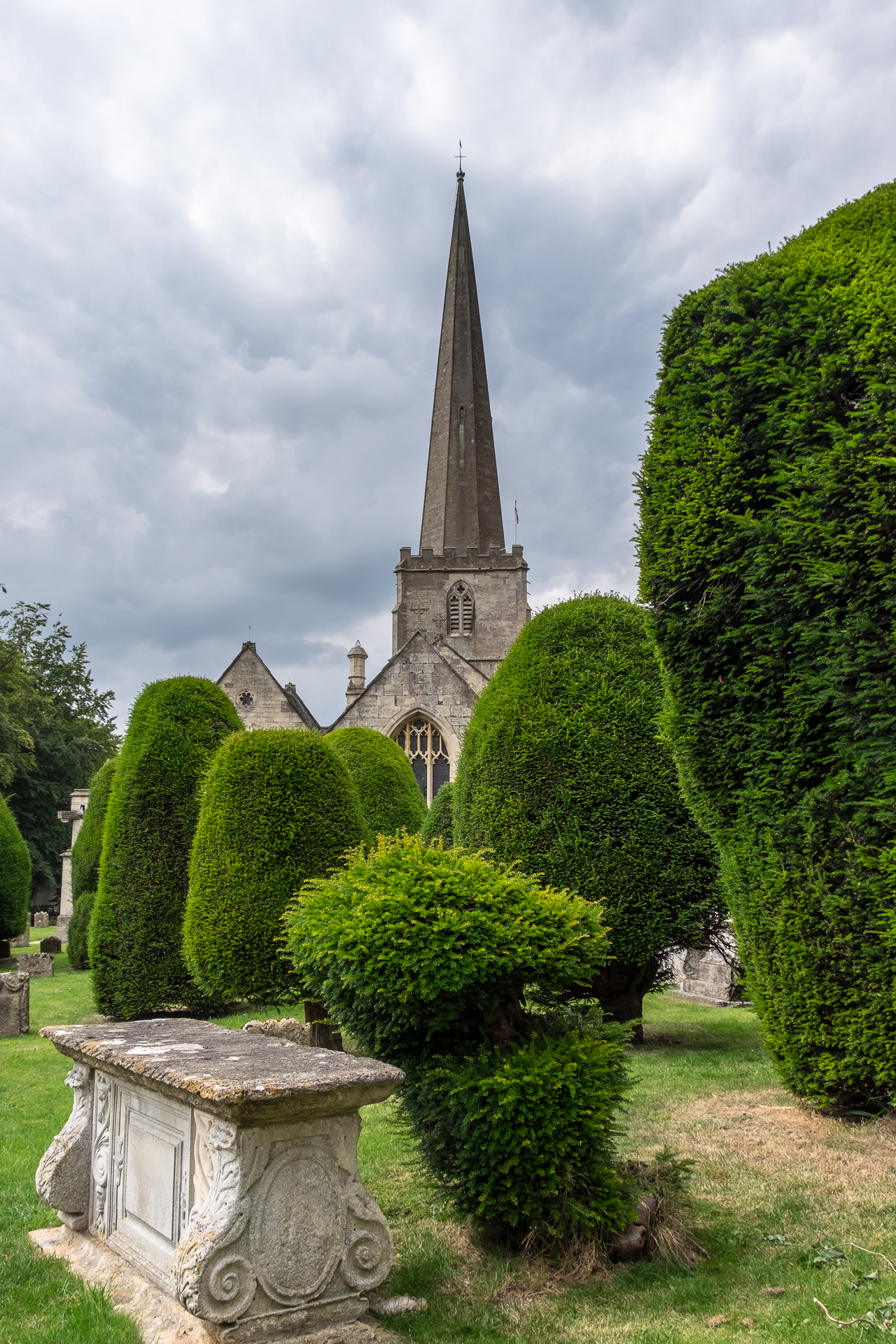
There were also some rather nice wildlife-themed art works in there, all in all a very pleasant discovery. We left the churchyard a trifle hastily as our parking time was running out, so my yew tree pictures are a little unimaginative and don’t really do it justice.Legend has it that if more than 99 trees are planted. the devil will uproot the hundredth… There is more down-to-earth information available.
We had a delightful drive home after this, via several local villages, Stockton Wood and Gloucester Docks. All in all, poor Old Ted missed a good day out! We look forward to picking him up once recuperated and having a further meander. I wonder, should I take Big Ted & Koala along for the trip?
Episode the first, in which Stewart and I find ourselves plastered in a Kidderminster subway, along with fellow f.action photographer Darren…
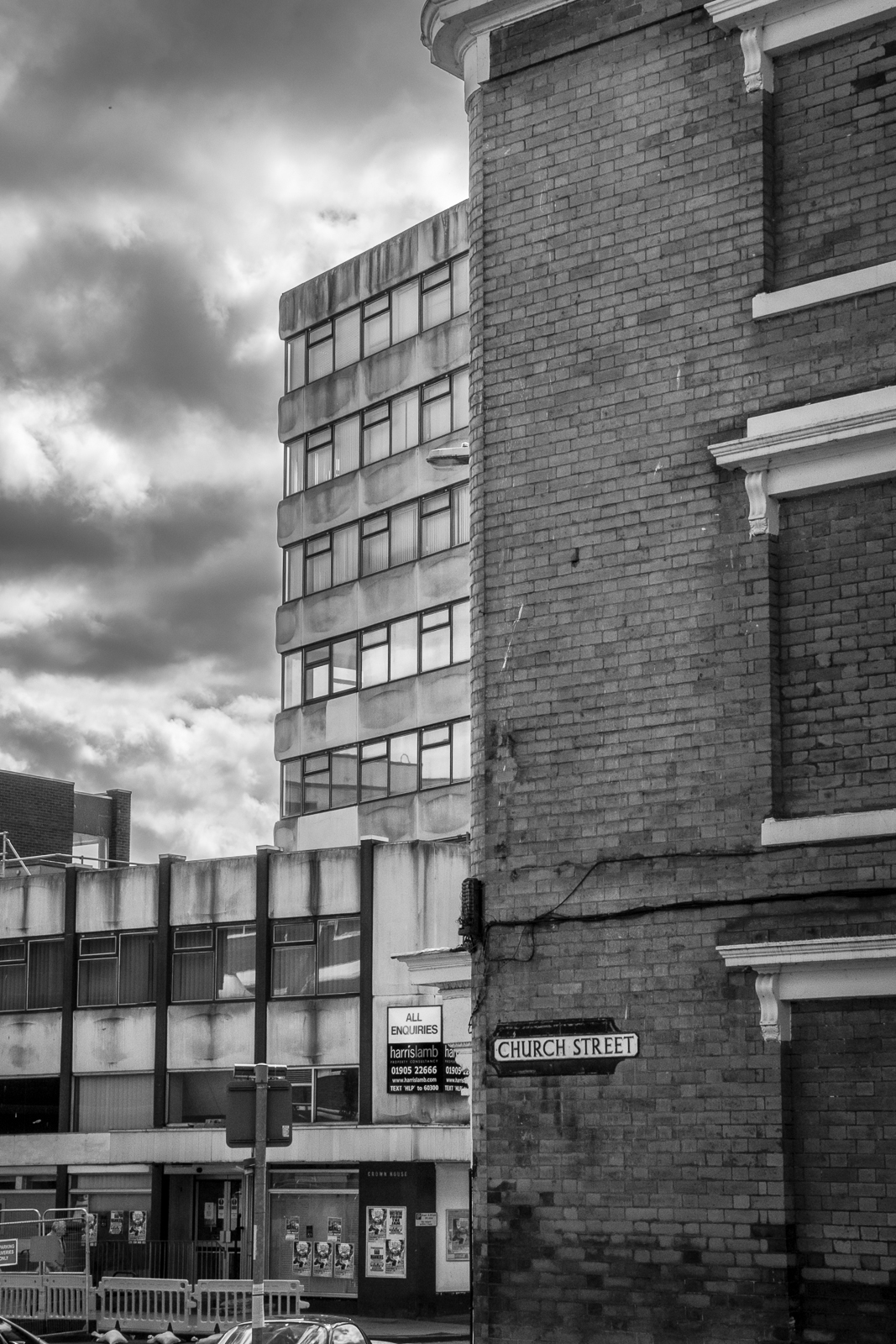
No, not a modern morality tale of drunkenness, but an unusual exhibition venue. Kidderminster Arts Festival (KAF) put out a call for photographers to contribute primarily architectural photographs of the town centre on the theme of Transformation, to mark the imminent demolition of Crown House in particular and the re-development of the area. These were to be turned into a collage and used to ‘wallpaper’ the Comberton Hill subway as part of the festival.
So it was that Stewart and I popped over there one day earlier this summer, cameras at the ready, to explore the area. I confess we probably rather slanted the images to reflect the ‘Before’ as they do in the media – gritty and desaturated or mono, so if I’ve done you a disservice, Kidder, I apologise and can only say I will come back and do the ‘After’ set in part two, though it might be a while yet!
Volunteers have already been at work and the images are in the underpass – and already turning into an interactive art exhibit with the addition of graffiti!
Here are a few of my images from our photowalk.
After 31 years living in this small Worcestershire town, I was amazed the other evening at some of the things I’ve walked past on many an occasion and not known about or noticed.
The local history society advertised a talk & walk down Friar Street and the High Street, then back round via Tower Hill, looking in particular at the history of the mediaeval timber-framed buildings, some of which have since been revamped and disguised, of course, or present a sober facade to the main road and reveal surprises when you go along the backs of the buildings…
The walk was led by Rob, an archaeologist from the Worcestershire council service and he spoke knowledgeably about the context in which Droitwich developed.
Husband and I decided this would be a nice thing to do, particularly as we knew there had been some recent discoveries thanks to dendrochronology, dating the wood in the timber-framed houses. This has led to setting the building date of one shop in particular quite a lot earlier than previously thought.
I’ve often complained that towns and cities have become homogenised with the corporate shop frontages and chain stores, and that you only see the character of a town when you look up as you walk around, but even then I’ve missed things in my own home patch, it seems.
There were lots of little details to look at in the woodwork,…
…and stonework, from gargoyles & grotesques and recycled church windows in/on the pub and other assorted additions like this plaque…
…in the fancy brickwork of the chimney of Priory House and many other little gems.
Rob had also brought along a selection of local pottery finds, both Roman and later. I’d not come across the Oxfordshire white-ware before, to my knowledge, and rather liked the mortarium or grinding bowl with the bits of gravelly stone set into the pot to help with the process.
The detail that really made me smile, however, was the early mediaeval IKEA discovery – actually in plain view all these years but I’d not picked it up before. Four of the beams in the side of a building on the High Street and the main beam below bear carpenter’s marks, the Roman numerals I-IV, to show which go where – presumably early flat pack!
I know the Romans ‘flat-packed’ their forts in much the same way, but just hadn’t clocked this example, despite having walked up and down that High Street on innumerable occasions! One spot that I have always enjoyed particularly underlines the chequered history of the mediaeval buildings; this the little courtyard in the modern precinct, which shows how these buildings were adapted over time – right down to the addition of all the ugly modern trappings!
Don’t forget, then, as you go about your daily business, just look up and see what you’re missing – and who might be watching you…